
In Doug Dirickson’s Gravity Always Wins, the setting isn’t just a backdrop; it plays a vital role in shaping the characters and their emotional journeys. The Southern landscape, with its sprawling rural beauty and complex history, is intricately woven into the fabric of the novel. As much a part of the story as the characters themselves, the setting influences decisions, character growth, and inner struggles. In this post, we’ll explore how Dirickson uses the Southern environment to deepen character development. 1. Setting as a Reflection of Inner Struggles In many stories, the environment mirrors a character’s inner turmoil. In Gravity Always Wins, the Southern setting reflects the protagonist’s emotional and psychological battles. The heavy humidity and oppressive heat echo their feelings of being trapped in circumstances they can’t escape. The Southern heat serves as a metaphor for their internal conflict. For example, the sweltering temperatures often parallel the suffocating nature of their past experiences. Just as the characters can’t escape the heat, they feel burdened by their emotional baggage. This setting underscores the tension between wanting to break free and being held back by deep-rooted struggles. 2. A Place of Conflict and Transformation The rural South in Gravity Always Wins is not only a place where the characters experience emotional pain, but it’s also a space of profound change. The open spaces of the countryside represent both limitations and opportunities. They serve as a place where characters are forced to confront their pasts and make choices that will determine their futures. In the South, characters grapple with conflicting desires, honoring tradition while seeking modernity. The vast landscapes act as a stage for these conflicts. A character may be tethered to their family’s legacy, pressured to follow a path they don’t desire, yet long for a different life. The Southern environment, with its expansive fields and old traditions, reflects these inner battles. As characters wrestle with change, the setting provides them with both the challenge and the possibility of transformation. 3. The Weight of History and Heritage Southern landscapes are steeped in history. This backdrop shapes the characters’ relationships with their pasts. In Gravity Always Wins, Dirickson uses the South’s cultural heritage to illustrate how deeply the past affects each character. The remnants of old plantations, barns, and long-forgotten roads constantly remind the characters of their inherited legacies. The South is a region defined by its complex history, from its involvement in slavery to its ongoing racial and social tensions. For the characters, this historical weight impacts how they view themselves and others. Family traditions, social hierarchies, and inherited expectations challenge their sense of self. Through this, Dirickson demonstrates how the environment doesn’t just reflect the past; it shapes how the characters relate to the world around them. 4. Nature as a Catalyst for Self-Discovery The Southern landscape also catalyzes self-discovery. The natural beauty of the region, its rivers, forests, and fields, offers characters the space to process their emotions. Nature becomes a place for quiet reflection, allowing characters to grapple with their feelings and, ultimately, understand themselves better. In Gravity Always Wins, the isolation of the countryside amplifies feelings of loneliness, yet it is also through these moments of solitude that characters begin to heal. The vastness of the land, though lonely, offers clarity. Through these reflective moments, characters experience epiphanies that guide them toward personal growth. 5. Cultural Influence on Relationships The Southern setting also shapes how characters interact with each other. The region’s cultural norms and values create a framework for social interaction. In the South, family ties, loyalty, and tradition carry immense weight. These cultural expectations influence how characters treat one another, both in positive and negative ways. In Dirickson’s novel, Southern hospitality and the tight-knit nature of communities are often juxtaposed with underlying tensions. The characters must navigate these social norms, balancing their personal desires with societal expectations. The setting, with its complex cultural fabric, dictates many of the characters’ actions and decisions, ultimately affecting the dynamics of their relationships. 6. Fate and the Southern Landscape In Gravity Always Wins, the Southern landscape is more than just a setting; it’s an inevitable force that drives the characters toward their destiny. The land, with its oppressive heat, sprawling plains, and endless horizons, becomes a symbol of the characters’ inability to escape their past. No matter how far they run, they are always tethered to the land. This sense of fate is powerful throughout the novel. The setting traps the characters in a cycle of repetition. It acts as both a prison and a catalyst for change, forcing the characters to confront their personal histories in order to move forward. In this way, the Southern landscape isn’t just a physical environment; it’s a force that shapes the trajectory of their lives. Conclusion: The Southern Landscape as a Character In Doug Dirickson’s Gravity Always Wins, the Southern setting is more than just a backdrop for the story. It’s a living, breathing force that shapes the characters in profound ways. The landscape’s oppressive heat, its cultural weight, and its historical significance all combine to influence the characters’ emotional and psychological development. Through this, Dirickson reminds us that where we come from, our environment plays a crucial role in shaping who we are. The Southern landscape is not just a place; it’s a character in its own right, driving the narrative and influencing the growth of the protagonists. As readers, we can appreciate how the setting in Gravity Always Wins is intricately tied to the character’s journey. By understanding this relationship, we can gain deeper insight into the novel’s themes of struggle, transformation, and self-discovery.

Mystery novels have always had a special place in the hearts of readers, and 2026 is no exception. With countless titles flooding the shelves and digital platforms, it can be hard to differentiate one from another. However, Gravity Always Wins by Doug Dirickson stands out for its unique blend of suspense, emotional depth, and realistic portrayal of life’s challenges. In this blog, we’ll explore what truly sets Gravity Always Wins apart from the typical mystery novels of 2026. 1. Emotionally-Driven Mystery Unlike many contemporary mystery novels that prioritize plot twists and action over emotional depth, Gravity Always Wins dives deep into the psychology of its characters. Doug Dirickson masterfully weaves in personal struggles, regrets, and resilience, giving readers a chance to emotionally connect with the mystery. The result is a mystery that isn’t just about uncovering hidden truths but about understanding the characters’ emotional journeys. 2. A Fresh Take on the “Hero’s Journey.” Many mystery novels follow a traditional hero’s journey, but Gravity Always Wins subverts these expectations. Instead of a flawless protagonist with a clear-cut mission, the novel introduces Seven Andrews—a character grappling with his flaws, uncertainties, and mistakes. His journey isn’t one of perfect triumph, but of finding meaning in his imperfections, making his quest all the more relatable and grounded in real human experience. 3. The Southern Setting as a Character While most mystery novels place their focus on plot or character, Gravity Always Wins goes a step further by making the setting a character in itself. The Southern landscape, with its rich cultural backdrop, atmospheric tension, and social intricacies, plays a crucial role in shaping the story. The environment not only adds texture but also influences the choices and actions of the characters, making the setting an integral part of the narrative. 4. Legacy and Regret as Core Themes Unlike many mystery novels where the central conflict revolves around a single crime or mystery, Gravity Always Wins centers on broader themes of legacy, regret, and redemption. Doug Dirickson uses the mystery to explore these universal emotions, creating a thought-provoking narrative. It’s not just about solving a crime; it’s about understanding the consequences of the choices we make and how those choices shape our lives. 5. Realistic Characters with Complex Motivations One of the standout features of Gravity Always Wins is its ability to create well-rounded, realistic characters who aren’t simply one-dimensional. The motivations of each character, from the protagonist to secondary figures, are nuanced and multifaceted. The author doesn’t rely on clichés or tropes, allowing readers to form a deeper connection with the characters, whose actions are driven by personal struggles and desires, not just the plot. 6. The Impact of Mystery on Personal Growth While most mysteries focus on the thrill of uncovering secrets, Gravity Always Wins explores how the act of solving the mystery itself is a vehicle for personal growth. The process of unveiling the truth, confronting the past, and dealing with its emotional weight transforms the characters. Readers don’t just get to experience the unraveling of the mystery—they also witness the emotional and psychological evolution of the characters involved. 7. A Narrative that Reflects 2026’s Societal Shifts In 2026, society faces numerous challenges, including social justice movements, environmental concerns, and a shifting political landscape. Gravity Always Wins subtly reflects these issues within the framework of the mystery, offering a more socially aware and introspective take on the genre. The novel taps into the changing dynamics of the world, making it relevant and engaging for today’s readers. Conclusion Gravity Always Wins breaks free from the conventions of traditional mystery novels by focusing on emotional depth, complex characters, and broader themes of regret, redemption, and societal change. In a world filled with fast-paced, plot-driven mysteries, Doug Dirickson’s novel offers a refreshing perspective, where the real mystery lies not just in solving a crime but in understanding the profound impact of our choices. It’s this unique blend of elements that sets Gravity Always Wins apart in the mystery genre of 2026.

“Gravity Always Wins” by Doug Dirickson is a gripping Southern mystery that dives deep into the emotional landscapes of regret, redemption, and the consequences of past decisions. The novel tells the story of Seven Andrews; a man whose past choices weigh heavily on his present life. Through Dirickson’s masterful storytelling, the novel explores how the weight of our past actions can shape who we become and how we navigate the challenges that life throws our way. In this blog, we’ll explore how Gravity Always Wins portrays the gravity of past decisions, using a powerful metaphor to depict the inescapable nature of regret and the quest for redemption. The Gravity Metaphor: Understanding Its Role The title of the book itself, “Gravity Always Wins,” is a metaphor that plays a crucial role in understanding the themes of the story. In a literal sense, gravity is an unyielding force that pulls everything towards the Earth. Similarly, the weight of past decisions pulls the protagonist, Seven Andrews, towards his past, no matter how hard he tries to escape it. As the story unfolds, readers witness how Seven’s decisions from his involvement in family matters to his personal relationships continue to affect him, even in the present. The gravity of his past actions is something he cannot outrun, just as gravity is a force we cannot escape. This powerful metaphor mirrors the inner conflict of the protagonist, who, despite his best efforts, must come to terms with his past in order to move forward. In a broader sense, Gravity Always Wins invites readers to reflect on the inevitable pull of their own past decisions. Just as gravity is inescapable, so too are the consequences of our choices. The story serves as a reminder that, no matter how far we run, our past will always catch up with us, shaping the way we live our lives. Past Decisions: Shaping Character Arcs One of the most striking aspects of Gravity Always Wins is how past decisions shape the characters, particularly Seven Andrews. The novel presents a deeply personal journey, where the protagonist is forced to confront the weight of his actions and their impact on his relationships and emotional well-being. Seven’s past is full of choices that he wishes he could undo, choices that have left scars on those around him. His struggles with regret and guilt form the core of his character arc. However, the beauty of Dirickson’s writing lies in how these past decisions are not just hurdles for the character to overcome, but also essential stepping stones in his journey toward personal growth and redemption. As readers, we can relate to Seven’s inner turmoil. We’ve all made decisions in our lives that we regret. The novel gently reminds us that our past actions are not just a source of pain; they are also a part of our growth. They influence how we understand ourselves and how we interact with the world. This exploration of past decisions is one of the book’s most poignant elements. It encourages readers to reflect on their own lives and how the choices they’ve made have shaped who they are today. The novel teaches that while we cannot erase the past, we have the power to grow from it. The Theme of Regret and Redemption At the heart of Gravity Always Wins is the theme of regret and the possibility of redemption. Seven’s journey is not just about dealing with the consequences of his past, but also about seeking redemption. As he faces the emotional weight of his decisions, he must also grapple with the possibility of making things right. Regret, in Dirickson’s novel, is not portrayed as a permanent state. Instead, it’s a catalyst for change. As Seven embarks on his journey of redemption, he begins to realize that true redemption comes not from erasing the past, but from accepting it, learning from it, and choosing to move forward with a renewed sense of purpose. This theme is deeply impactful, reminding readers that redemption is not a one-time event but an ongoing process. It’s about taking responsibility for our actions, understanding their effects on others, and striving to make better choices moving forward. The novel’s emotional depth shines through as Seven learns that redemption, much like gravity, is a force that cannot be rushed. It’s something that requires patience, self-reflection, and a willingness to grow. Southern Mystery Elements While Gravity Always Wins is a story about personal growth, it is also deeply rooted in the Southern mystery genre. Set in the heart of Georgia, the novel is steeped in the rich cultural and atmospheric qualities that define Southern fiction. From the slow, contemplative pace of the narrative to the deep emotional layers of the characters, the setting plays a crucial role in shaping the story. The Southern setting adds a layer of complexity to the story, as the characters’ struggles are not only internal but also influenced by their environment. The small-town dynamics, the weight of family legacies, and the intricate web of relationships all contribute to the suspense and emotional depth of the novel. This blend of Southern mystery and personal drama sets Gravity Always Wins apart from other novels in the genre. It’s a compelling mix of atmospheric storytelling and deeply human emotion that keeps readers hooked from start to finish. Doug Dirickson’s Influence on the Story Doug Dirickson’s own background plays a significant role in shaping the novel. With a career in law enforcement and a personal understanding of the complexities of human nature, Dirickson brings a unique perspective to the story. Dirickson’s characters are far from perfect, and that’s what makes them so relatable. Seven Andrews, like many of Dirickson’s characters, is a flawed individual, burdened by past mistakes and struggling to find a sense of peace. Dirickson’s writing captures the essence of what it means to be human, to be filled with regret, to yearn for redemption, and to grapple with the weight of decisions. His ability to craft complex characters and emotionally

In the world of literature, few books manage to capture the raw emotional journey of their characters like Doug Dirickson’s journey in Gravity Always Wins. This story explores not only the external struggles of its protagonist but also dives deep into the complexities of the human psyche. The book’s portrayal of Doug’s emotional highs and lows provides readers with a mirror to reflect on their own lives. Accepting the Emotional Depth of Gravity Always Wins At its core, Gravity Always Wins is a tale about the emotional resilience of Doug Dirickson, a man who faces overwhelming odds in life but refuses to surrender his dignity. From the very beginning, Doug is faced with emotional trauma, regret, and an ever-present feeling of being lost. His journey unfolds through a series of events that test his emotional strength and challenge his understanding of self-worth. Emotional Impact: One of the main reasons why Gravity Always Wins resonates so deeply with readers is its ability to translate raw emotions into tangible experiences. Doug’s internal battle, shaped by personal losses and challenges, is a relatable experience for many. His emotional journey doesn’t just serve as the backdrop of the story; it is the driving force that pushes the narrative forward. Character Analysis: Doug Dirickson’s Emotional Growth Doug Dirickson is not your typical hero. While many protagonists are defined by their actions, Doug’s development is more about his internal transformation. Throughout the story, he struggles with feelings of worthlessness and loss. Yet, he also demonstrates incredible emotional growth, learning to confront his fears, accept his flaws, and rise above his circumstances. From Self-Doubt to Strength: Doug’s evolution is a testament to the resilience of the human spirit. His journey reflects a deep emotional struggle that many readers can empathise with. In the early chapters, Doug is a man weighed down by regret and self-doubt. However, as the plot progresses, he begins to shed these emotional burdens and learns to embrace the strength within him. This transformation is one of the most powerful aspects of Gravity Always Wins. It shows that emotional healing is possible, no matter how far gone someone might feel. Doug’s story is a testament to the strength we all have inside to rise from our darkest moments and find meaning in life again. The Emotional Themes in Gravity Always Win Emotion is the heartbeat of Gravity Always Wins. Doug’s journey is deeply intertwined with themes of regret, guilt, redemption, and self-empowerment. The book explores the emotional toll that past mistakes and traumas can have on an individual, while also highlighting the potential for healing and growth. Regret and Redemption: One of the central emotional themes in Gravity Always Wins is the idea of regret. Doug struggles with past mistakes, but his journey shows that regret does not have to define one’s future. The book weaves a powerful narrative around redemption, offering readers a glimmer of hope that even the most painful past can be overcome. The Weight of Emotional Burdens: As Doug faces his challenges, the weight of his emotional burdens becomes more apparent. Gravity Always Wins uses this struggle to symbolise the pressures we all face in life. Doug’s battle isn’t just against external forces but against his own internal demons, making his victory all the more poignant. Self-Acceptance and Personal Growth: Another critical theme is self-acceptance. Doug’s journey towards understanding and accepting his flaws is one that resonates deeply with readers. This is a universal experience: we all struggle with feelings of inadequacy at times. Doug’s emotional growth serves as a reminder that personal growth comes from acknowledging our imperfections, not running from them. Why Gravity Always Wins is So Emotionally Powerful What makes Gravity Always Wins emotionally powerful is its ability to make readers feel seen. Doug’s emotional struggles are universal, yet the way they are presented feels uniquely personal. The novel doesn’t just tell Doug’s story; it invites readers to walk in his shoes, feel his pain, and experience his triumphs. The Raw, Unfiltered Emotion: Doug’s internal monologue and the book’s candid portrayal of his emotions offer readers an intimate connection with the character. It’s this raw emotional transparency that draws readers in. The author doesn’t shy away from showing the darkest sides of Doug’s journey, and this honesty is what makes his eventual emotional growth so impactful. The Role of the Author in Shaping the Emotional Journey Doug Dirickson’s journey is made even more poignant by the author’s perspective on emotion. The author writes with a deep understanding of human emotion, particularly the complexity of emotional struggles and recovery. By portraying Doug’s emotional depth so vividly, the author ensures that readers don’t just read the story, they feel it. The emotional journey in Gravity Always Wins is a reflection of the author’s own beliefs about the power of human resilience. Through Doug’s transformation, the author demonstrates that while life may present immense challenges, we always have the capacity to rise, heal, and emerge stronger. The Key Emotional Lessons from Gravity Always Wins As readers follow Doug’s emotional journey, they are presented with several important lessons about dealing with personal struggles: No One is Alone in Their Struggles: Doug’s journey reminds us that emotional pain is a universal experience. Everyone goes through their own battles, but we are not alone in our struggles. The book encourages readers to reach out, connect, and support one another through life’s hardest moments. Emotional Healing Takes Time: The book also emphasises that emotional healing isn’t instantaneous. Doug’s journey is not a quick fix but a slow, steady process of learning to cope, grow, and heal. This serves as a reminder that we all need patience with ourselves as we work through our emotional wounds. Strength is Found in Vulnerability: Finally, Doug’s emotional growth teaches that strength comes from vulnerability. It is when Doug faces his darkest moments and confronts his own emotions that he begins to heal. This lesson resonates with many readers, as it encourages them to embrace their vulnerabilities rather

In a world where stories often lean toward fantasy and escape, few narratives dare to reflect reality as it truly is, raw, unfiltered, and deeply human. Gravity Always Wins is one such powerful work that doesn’t just tell a story; it mirrors life itself. At its core, this book is not just about events or characters; it’s about the weight of existence. It explores how life’s invisible forces shape our decisions, relationships, and outcomes. The idea that “gravity always wins” becomes more than a phrase; it becomes a reflection of real-life struggles that every individual faces in one way or another. Decoding the Philosophy of “Gravity Always Wins” Gravity Always Wins introduces a concept that feels both simple and profound. Just like physical gravity pulls everything downward, life has its own form of gravity forces that ground us, challenge us, and often bring us face-to-face with reality. This “gravity” can take many forms: The book beautifully captures how these forces are not external enemies but internal realities that shape who we become. Through its narrative, the story reminds readers that no matter how far we try to escape, reality eventually catches up. This is what makes the message so powerful; it is universal and unavoidable. Real-Life Struggles Reflected in the Story One of the strongest aspects of Gravity Always Wins is its ability to reflect real-life struggles in a relatable and honest way. 1. The Struggle of Avoidance Many people spend a significant part of their lives avoiding difficult truths, whether it’s a failing relationship, a wrong decision, or an unfulfilled purpose. The book shows how avoidance is temporary. Just like gravity, reality pulls you back. This reflects a common human experience: But as the story unfolds, it becomes clear that nothing stays buried forever. 2. The Weight of Consequences Every action carries weight, and this is one of the most important lessons the book highlights. In real life: The narrative of Gravity Always Wins demonstrates that consequences are not always immediate, but they are inevitable. This mirrors the real world, where the results of our actions often surface when we least expect them. 3. Emotional Burdens and Internal Conflict Another powerful reflection of real-life struggle is emotional weight. The book explores: These emotions act like gravity within us, pulling us down, influencing our decisions, and shaping our paths. Readers connect deeply with this because these are emotions everyone experiences. The story doesn’t exaggerate them; it presents them as they are, making the narrative authentic and impactful. Why This Message Feels So Real What makes Gravity Always Wins stand out is its realism. It doesn’t try to create a perfect world or unrealistic outcomes. Instead, it embraces imperfection. This is exactly why readers find themselves connected to the story. Life is not always fair. It is not always easy. And it certainly does not always go as planned. The book reflects this truth with honesty, showing that struggles are not exceptions; they are part of the journey. The Author’s Perspective and Vision The brilliance of Gravity Always Wins lies in how the author translates complex human experiences into a simple yet powerful concept. Through this work, the author presents a vision where: This perspective aligns perfectly with real-life experiences, making the book not just a story but a reflection of the human condition. Readers who explore the author’s work further, whether through the website or additional content, gain a deeper understanding of the philosophy behind the message. Lessons Readers Can Take Away Beyond its narrative, Gravity Always Wins offers valuable lessons that apply directly to real life. Facing Reality is Essential Avoidance only delays the inevitable. Facing truth leads to clarity and growth. Every Decision Matters Small choices today can have significant consequences tomorrow. Emotional Strength is Built Through Struggle Challenges are not meant to break us; they are meant to shape us. Growth Comes from Acceptance Accepting reality allows individuals to move forward with purpose. These lessons are not just theoretical; they are practical insights that readers can apply in their daily lives. How does the Book Connect with Modern Readers? In today’s fast-paced digital world, people are constantly searching for meaning. Surface-level content no longer satisfies. Gravity Always Wins fills this gap by offering: Readers are drawn to stories that reflect their own experiences, and this book does exactly that. It speaks to: This universal appeal is what makes the book so impactful. Exploring the Book Further For readers who want to dive deeper into this powerful message, exploring the book through official platforms provides a more immersive experience. The complete story, along with the author’s vision and deeper insights, can be discovered through the official website and book collection. This allows readers to fully engage with the narrative and understand its true depth. Whether you are looking for inspiration, reflection, or a meaningful read, Gravity Always Wins offers something that stays with you long after the last page. Final Thoughts Gravity Always Wins is more than just a book; it is a reflection of life itself. It captures the essence of real-life struggles in a way that feels honest, relatable, and deeply impactful. Through its exploration of inevitability, emotional weight, and personal growth, the story creates a powerful connection with readers who see their own experiences mirrored within its message. It ultimately reminds us of a simple yet profound truth: you cannot escape reality, but you can learn from it. And perhaps, within that realization, lies the true message behind it all.
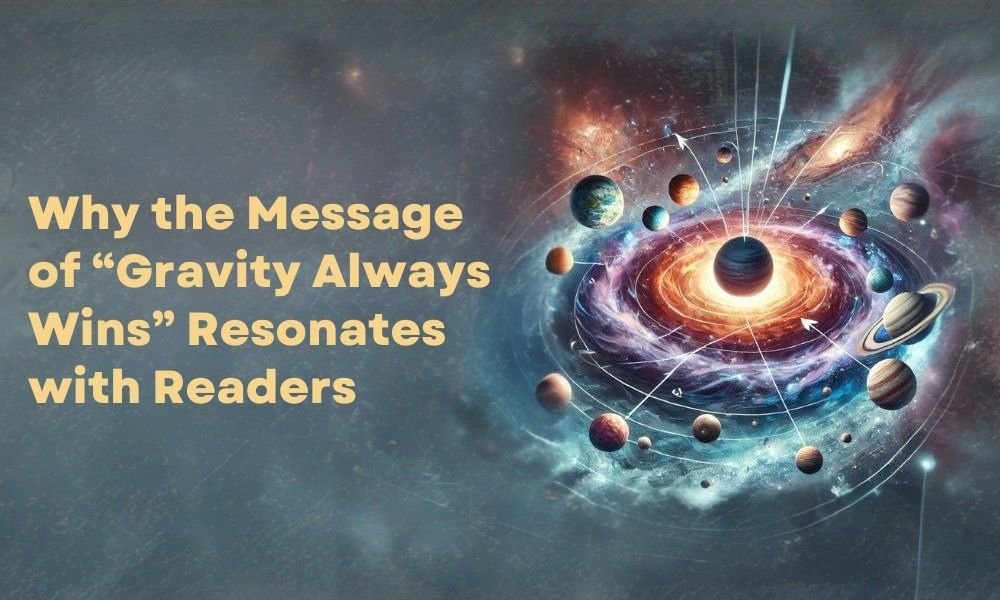
In today’s content-driven world, readers are no longer satisfied with surface-level storytelling. They crave depth, meaning, and emotional truth. This is exactly why the phrase “Gravity Always Wins” has captured so much attention. It reflects something real, something unavoidable, and something deeply human. At first glance, it may seem like a simple statement. But when explored further, it reveals layers of insight about life, choices, consequences, and emotional weight. This is what transforms it from just a phrase into a powerful message that stays with readers long after they’ve encountered it. Understanding the Meaning Behind the Concept To truly grasp the idea, we need to explore the meaning behind Gravity Always Wins. For more insights like this, you can explore our full blog collection here. It represents inevitability. Just as gravity pulls everything back down, life has a way of bringing us back to reality. Whether it’s truth, consequences, or unresolved emotions, nothing can be avoided forever. The Gravity Always Wins meaning highlights how powerful the concept truly is, shaping both narrative and emotion. This is why the message feels so real; it mirrors how life actually works. The Emotional Depth That Connects with Readers What truly makes this concept powerful is its emotional impact: Gravity Always Wins. It resonates because it reflects experiences that most people have already lived through. Everyone has faced moments where: This is where the Gravity Always Wins meaning becomes more than an idea—it becomes a reflection of personal truth. Readers don’t just understand it logically, they feel it emotionally. And that emotional connection is what makes the message unforgettable. Breaking Down the Core Themes The depth of this concept is rooted in the themes of Gravity Always Wins, which give it structure and meaning. 1. Inevitability No matter how far we run, certain outcomes are unavoidable. 2. Accountability Every action has a consequence, whether immediate or delayed. 3. Emotional Weight Some emotions carry a gravity that influences our decisions and direction. 4. Truth and Reality Truth always surfaces, no matter how deeply it is buried. These themes collectively define the book’s message: Gravity Always Wins, making it both relatable and impactful. Why Readers Connect So Deeply To understand why Gravity Always Wins resonates with readers, we need to look at what people are truly searching for in stories. Readers want: The phrase “Gravity Always Wins” delivers all of this. It reflects the reality that life has rules we cannot escape. This Is Also Why Many People Search for: what does Gravity Always Wins mean in the book They are not just looking for an explanation; they are trying to connect the message to their own experiences. The Life Lessons Hidden Within the Message Beyond storytelling, this concept provides valuable insights through the lessons from Gravity Always Wins. You Can’t Escape Reality Avoidance may delay consequences, but it cannot eliminate them. Actions Always Carry Weight Every decision has an impact, just like gravity affects everything. Acceptance Leads to Growth Facing reality allows personal development and emotional clarity. These insights form the foundation of the life lessons from the Gravity Always Wins book, making the message both meaningful and practical. Exploring a Deeper Interpretation When we dive into the deep meaning of the ” Gravity Always Wins message, we discover that it’s not just about consequences, it’s about balance. Gravity is not punishment; it is structure. In the same way, life’s challenges: This deeper understanding shifts the perspective from something negative to something necessary and even beneficial. The Growing Popularity of This Message There is a clear reason why Gravity Always Wins is popular among readers today. Modern audiences are shifting away from: Instead, they are seeking depth and meaning. The Gravity Always Wins meaning provides exactly that—something that feels authentic and relevant. Additionally, many readers explore the Gravity Always Wins book review insights to better understand different interpretations of the message, further increasing its reach and impact. Why This Message Leaves a Lasting Impression The reason this concept stays with readers is simple—it reflects real life. The Gravity Always Wins meaning reminds us of: It creates a moment of self-reflection, encouraging readers to think about their own lives. It raises an important question: What Is in Your Life That Will Eventually Catch Up to You? This level of introspection is what makes the message powerful and memorable. Final Thoughts The strength of “Gravity Always Wins” lies in its ability to combine simplicity with depth. It doesn’t rely on complexity or exaggeration; it relies on truth. Through emotional connection, relatable themes, and meaningful insights, it becomes clear why readers connect with Gravity Always Wins so deeply. It is not just a concept; it is a reflection of life itself.

Books often do more than tell stories; they reveal truths about human nature, choices, and the forces that shape our lives. One book that captures these ideas in a thought-provoking way is Gravity Always Wins. Readers who explore this story quickly realize that it is not just about events or characters; it is about the deeper meaning behind the struggles people face every day. Many readers searching for life lessons from gravity always discover that the story explores powerful ideas about responsibility, consequences, and the weight of personal decisions. The narrative reminds us that life has forces that guide our actions and that sometimes the realities we try to escape eventually bring us back to where we started. In this article, we will explore the gravity-always-wins life lessons readers can take from the story and how the book’s themes reflect real-life experiences. Understanding the Message of the Book One of the most important aspects of the story is the message that gravity always wins. The title itself suggests that certain truths or realities in life cannot be avoided. Just as gravity in the physical world always pulls objects back to the ground, the story suggests that human actions eventually have consequences. When readers begin exploring lessons from the “Gravity Always Wins ” book, they notice that the narrative reflects the reality that decisions, both good and bad, carry weight. The characters in the story face situations that require them to confront the consequences of their past choices. This is why many discussions about the book often focus on the ” gravity always wins book analysis, where readers examine the meaning behind the story’s events and how they relate to human experience. By analyzing the characters’ actions and the consequences they face, readers begin to see deeper patterns in the narrative. The Meaning Behind the Title Another fascinating element of the book is the gravity-always-wins meaning hidden within the title. At first glance, it may sound like a simple statement about physics, but in reality, it represents something much deeper about life and human behavior. The title symbolizes the unavoidable pull of reality. No matter how far people try to run from their problems, the truth eventually catches up with them. This is one of the core themes in ” Gravity Always Wins ” that readers often discuss. When readers reflect on what gravity always wins, they realize that the story encourages them to think about their own choices. The book subtly suggests that every decision we make carries weight, and those choices eventually shape our future. Because of this, the message of gravity always wins becomes clear: life has natural consequences, and those consequences guide the direction of our lives. Life Lessons Hidden Within the Story When discussing the deeper life lessons from “Gravity Always Wins,” several important ideas emerge. These lessons resonate with readers because they mirror real experiences that many people face. One lesson readers discover through life lessons from gravity always wins is the importance of accountability. The story shows that ignoring mistakes does not erase them. Instead, the consequences often grow stronger over time. Another lesson is the value of self-awareness. The characters eventually come to understand how their past decisions influence their present circumstances. This realization reflects the deeper moral lessons in gravity always wins that encourage readers to reflect on their own lives. These insights are why many readers searching for what readers can learn from gravity always wins often find that the book offers more than entertainment; it offers perspective. The Philosophy Behind the Story Beyond the narrative itself, the book also explores deeper philosophical ideas. Many discussions about the book focus on the philosophy behind gravity always wins, which centers on the idea that life follows certain patterns of cause and effect. In philosophical terms, the book reflects the belief that actions create consequences. This concept appears throughout the narrative and becomes a key part of the ” Gravity Always Wins ” book analysis. Readers who explore the deep meaning of gravity often see how the story highlights the tension between human desire and reality. People may dream of escaping their past or avoiding responsibility, but the narrative reminds them that certain truths cannot be avoided. This philosophical perspective is why the themes in Gravity Always Win continue to spark thoughtful discussions among readers. Lessons About Human Struggles One of the most relatable aspects of the story is its reflection it human struggles. Many readers interpret the narrative as a metaphor for the challenges people face in overcoming past mistakes. The story demonstrates key lessons from “Gravity Always Wins ” by showing how the characters confront the consequences of their actions. Through these experiences, readers begin to recognize patterns that appear in real life. This connection between fiction and reality is what makes the gravity always wins life lessons so powerful. The book encourages readers to think about their own experiences and the choices that shape their future. Because of this, readers searching for books about human struggles or books with deep life lessons often find the story deeply meaningful. Why the Book Resonates with Readers Another reason readers appreciate the book is its emotional depth. The story explores ideas that many people experience in their daily lives: regret, reflection, and personal growth. When readers explore what gravity always wins, they realize that the story offers guidance without being overly direct. Instead of presenting clear instructions, the narrative allows readers to draw their own conclusions. This approach is common in thought-provoking books, where the story encourages reflection rather than providing simple answers. Many readers searching for books that teach life lessons also appreciate how the story connects with ideas of personal growth. The narrative shows that even difficult experiences can lead to new understanding. The Impact of the Story Ultimately, the book’s lasting impact lies in the life lessons it teaches, which readers carry with them after finishing the story. The book reminds readers that life is shaped by the decisions

In today’s digital publishing world, book discovery has changed dramatically. Years ago, readers mainly discovered books in bookstores, libraries, or through recommendations from friends. Today, however, most readers find new books through online platforms powered by algorithmic book recommendations, social media trends, and digital marketing strategies. This Raises an Important Question for Modern Authors: Should they focus more on storytelling in book marketing, or should they learn how algorithms recommend books online? Understanding the balance between storytelling and technology is essential if you want to master book marketing for authors and increase your chances of getting your book noticed. How Readers Discover Books Today The way readers find books has evolved rapidly over the past decade. Today, most readers rely on digital platforms and recommendation engines to discover new titles. Popular Book Discovery Platforms Include: These platforms influence how readers find new books and shape modern book promotion strategies. Many readers now depend on algorithms to recommend books based on their interests, reading history, and browsing behavior. This means that understanding how readers discover books is a critical part of authors’ book marketing strategies. The Power of Storytelling in Book Marketing Despite the rise of technology, storytelling remains one of the most powerful tools in publishing. Strong storytelling creates emotional connections between the reader and the author’s work. When authors focus on storytelling in book marketing, they build deeper engagement with their audience. Compelling stories can inspire readers to share books with others, write reviews, and recommend titles organically. Great Storytelling Helps Authors: Even the best book discovery platforms rely on strong storytelling to keep readers engaged. Without compelling content, even the most advanced algorithm cannot sustain long-term success. The Role of Algorithms in Book Discovery While storytelling is important, modern publishing is heavily influenced by algorithms. Platforms like Amazon use sophisticated recommendation systems to determine which books appear in search results or recommendation sections. Understanding how Amazon recommends books is essential for authors who want to improve visibility. The Amazon Book Recommendation Algorithm Analyzes Several Factors: Because of this, authors who want to improve book discovery must understand how algorithmic book recommendations influence the visibility of their books. This is why learning how algorithms recommend books has become an important skill for modern writers. Social Media and the Rise of BookTok One of the most powerful trends influencing book discovery today is social media especially TikTok’s reading community known as BookTok. Many authors are now learning how books go viral on TikTok through creative content, emotional storytelling, and engaging reader interactions. Using a strong BookTok marketing strategy can significantly improve visibility for new and independent authors. Viral TikTok content can introduce books to millions of readers within days. This trend has completely changed how readers find new books, making social media a powerful component of modern book promotion strategies. Storytelling vs Algorithms: Which One Matters More? When comparing storytelling vs marketing for authors, the truth is that both play essential roles in successful publishing. Storytelling creates emotional impact and reader loyalty. Algorithms help distribute content and connect books with potential readers. Successful Authors Combine Both Elements by Focusing On: This balanced approach allows authors to improve book discovery while still focusing on the quality of their work. How Authors Can Improve Book Discovery If You Want to Increase Visibility for Your Book, Consider Applying These Best Book Discovery Strategies: Learning how to promote a book online is no longer optional—it is essential for success in modern publishing. Final Thoughts In today’s publishing environment, authors must understand both storytelling and technology. While powerful storytelling builds emotional connections with readers, algorithms determine how books reach their audience. Understanding how to market a self-published book requires combining creative storytelling with strategic marketing techniques. By mastering both storytelling and algorithm-driven marketing, authors can significantly improve their chances of successful book discovery. Ultimately, the future of publishing belongs to authors who can balance creativity with strategy and learn how authors get discovered online in an increasingly digital world.

Writing a book is an intricate and rewarding process that requires much more than just putting words on a page. It involves dedication, sleepless nights, and often, a bit of self-doubt. For Doug Dirickson, the journey of writing Gravity Always Wins was filled with challenges, inspiration, and moments of self-discovery. As with all great stories, the real magic often happens behind the scenes. In this article, we’ll take you behind the curtain of Gravity Always Wins, the journey that led to its creation, the themes that inspired it, and the twists and turns that came along the way. Whether you’re a book lover, aspiring writer, or just curious about the creative process, this glimpse into the making of the book will spark your imagination and perhaps even offer new insights into the world of storytelling. The Inspiration Behind Gravity Always Wins Every book starts with a single idea. For Doug, the inspiration for Gravity Always Wins came from his fascination with human nature and the inevitable pull of gravity, both literally and metaphorically. From the very beginning, he envisioned a narrative that explored not just physical forces but also emotional and psychological ones that govern our lives. Gravity Always Wins is a suspenseful thriller with an intricate plot that delves into themes of fate, control, and personal growth. Doug wanted to create a story that not only kept readers on the edge of their seats but also made them reflect on their own lives and the forces that shape them. “I wanted to tell a story that felt real and grounded,” Doug shares. “Something that could happen to anyone, yet still retain that element of suspense that makes readers want to turn the page.” The Writing Process: From Concept to Completion Once the idea was born, the real work began. Writing a book is not as simple as it may seem. It involves a lot of brainstorming, planning, and refining. Doug began with a rough outline of the plot, ensuring that the core themes were intact and that every character had depth. One of the first challenges Doug faced was creating the right balance between suspense and character development. Suspense is essential in a thriller, but it must be built on solid character arcs and relatable emotions. Doug didn’t just want readers to be captivated by the plot; he wanted them to care about the characters, their struggles, and their growth. “I spent a lot of time fleshing out the characters’ backstories,” Doug explains. “I wanted readers to feel emotionally connected to them. If the audience didn’t care about the characters, the suspense wouldn’t matter.” Overcoming Hurdles and Finding the Voice As with any creative endeavor, obstacles arose throughout the writing process. Doug faced moments of self-doubt and frustration, questioning whether the book would ever truly take shape. There were days when the words wouldn’t flow, and it seemed like the story wasn’t quite where he envisioned it. But despite these challenges, Doug persevered. He realized that writing a book is not just about creating something perfect; it’s about capturing the raw emotion of the journey. During these times of doubt, he took breaks, revisited his initial inspiration, and focused on rediscovering his passion for the story. “I learned to trust the process,” Doug admits. “Every book goes through its own evolution. There were moments when I thought it wasn’t going to work, but looking back now, those moments were part of what made the book what it is.” The Role of Research and World-Building For Doug, research played a pivotal role in creating the world of Gravity Always Wins. While the novel is grounded in reality, Doug didn’t want to rely solely on imagination. He wanted the setting and plot to feel authentic to readers. This required careful research, whether it was delving into scientific principles, psychological theories, or examining real-world events that mirrored the book’s themes. The world-building wasn’t just limited to physical settings. Doug also paid close attention to the emotional and psychological landscapes of his characters. He wanted readers to truly feel the characters’ internal struggles and the external pressures they faced. A Thrilling and Thought-Provoking Experience One of the primary goals of Gravity Always Wins was to craft a book that was both thrilling and thought-provoking. While the twists and turns of the plot will keep readers on the edge of their seats, the underlying themes of fate, control, and personal growth will leave them reflecting long after they’ve finished reading. Doug hopes that his book will not only entertain but also provoke thought about how we navigate our own personal struggles. “The idea of ‘gravity’ isn’t just about the physical force,” Doug explains. “It’s about the pull of our circumstances, our emotions, and the choices we make. How do we respond when gravity pulls us down? Do we fight it, or do we let it shape who we are?” The Road to Publication After months of writing, editing, and revising, Gravity Always Wins was finally ready for the world. But the journey didn’t end there. Once the manuscript was complete, Doug had to navigate the world of publishing, which in itself can be a daunting process. After weighing the pros and cons of traditional publishing versus self-publishing, Doug ultimately chose to self-publish the book. “It was a decision based on creative control,” Doug shares. “I wanted to maintain the integrity of my story and the vision I had for it.” Publishing the book on Amazon was a crucial step in bringing Gravity Always Wins to readers around the world. It made the book easily accessible, and Amazon’s powerful platform provided the visibility needed to reach a global audience. You can grab your copy of Gravity Always Wins here: Buy on Amazon Final Thoughts: A Journey Worth Taking The journey of writing Gravity Always Wins was one of growth, perseverance, and discovery. Through the highs and lows of the creative process, Doug Dirickson created a suspenseful, thought-provoking thriller that will leave readers eagerly turning

Mystery stories have captivated readers for centuries. From Agatha Christie’s iconic whodunits to today’s gripping thrillers, the genre remains highly popular. But what makes mystery stories so compelling? Why do we continue to crave these enigmatic narratives? In this blog, we explore the psychology behind our obsession with mysteries and how modern trends continue to shape this genre’s appeal. The Power of the Unknown: Human Curiosity Mysteries are rooted in the unknown. Our curiosity drives us to seek answers. We are naturally inclined to solve puzzles, and mystery stories create the perfect environment for this need to be fulfilled. When we encounter the unexplained, our brains feel the need to make sense of it. The desire to resolve uncertainty is deeply embedded in human nature. This craving for answers triggers our brain’s reward system. Solving a mystery releases dopamine, the neurotransmitter that makes us feel good. As a result, the more we experience the joy of solving a puzzle, the more we seek similar experiences. This cycle of curiosity and reward keeps us coming back to the genre time and time again. In today’s world, we often face situations that leave us uncertain, such as political events, personal dilemmas, and global challenges. Mystery stories provide a comforting structure where the answers are ultimately revealed, even if they seem elusive at first. The satisfaction of finding clarity in a world full of confusion is a major reason why mystery stories continue to engage us. The Psychology of Tension and Suspense Tension and suspense are central to mystery stories. These elements keep us on the edge of our seats, eagerly awaiting resolution. Our brains react strongly to suspense. It heightens alertness, preparing us for action, while the eventual release of tension is incredibly rewarding. Suspense activates adrenaline and cortisol in our bodies. This creates a thrilling, almost addictive feeling. The build-up of tension and the eventual payoff when the mystery is solved evoke strong emotions, similar to riding a rollercoaster. We feel both fear and excitement, a combination that mirrors the fears we face in real life. Mystery stories often highlight our deepest anxieties, fear of the unknown, of danger, or of losing control. They allow us to confront these fears in a controlled, safe environment. As we solve the mystery, we gain a sense of control, which makes us feel more empowered. Cognitive Engagement: Active Problem Solving Mystery stories demand intellectual engagement. As readers or viewers, we actively participate in solving the puzzle. The characters leave clues, mislead us with red herrings, and guide us toward the truth. This process of piecing together information is intellectually stimulating and mentally rewarding. Research suggests that solving puzzles and engaging in critical thinking strengthen cognitive functions. Mystery stories provide an enjoyable way to sharpen problem-solving abilities. As we follow the narrative and attempt to uncover the truth, our brains are working in overdrive, testing hypotheses and evaluating information. Mysteries also follow a logical pattern. The clues build up gradually, and readers slowly work their way toward the final answer. This structure mimics the problem-solving process, which makes it satisfying on a psychological level. The Appeal of Complex Characters Another reason mystery stories continue to attract us is the depth of the characters. Protagonists like Sherlock Holmes, Hercule Poirot, or modern antiheroes are more than just brilliant detectives; they are multifaceted individuals with flaws, contradictions, and intriguing backstories. These characters are often as much a mystery as the cases they solve. Sherlock Holmes, for instance, is not just a genius detective. His personality quirks, his struggles with social interactions, and his hidden vulnerabilities make him a more relatable and engaging character. Mystery stories invite us to explore the psyche of these individuals, not just their ability to solve crimes. In addition to the heroes, mystery stories often feature complex antagonists. Villains who are psychologically nuanced, unpredictable, and morally ambiguous add layers to the story. The questions surrounding their motives or their actions deepen our emotional investment in the narrative. Trends and Evolution: Why Mystery Is Still Popular While the core elements of mystery stories remain the same, the genre has evolved with changing times. Today’s mystery stories are shaped by modern trends, reflecting contemporary issues, fears, and technological advancements. Conclusion: The Everlasting Appeal of Mystery Stories Mystery stories remain timeless because they satisfy a deep-seated human need: the desire to solve the unknown. They appeal to our curiosity, engage our intellect, and offer a satisfying emotional payoff. As we confront puzzles, engage with suspense, and explore complex characters, we experience a blend of fear and excitement that makes the genre irresistible. In an ever-changing world, mystery stories offer a sense of control and resolution. Whether through books, movies, or digital platforms, the genre continues to evolve, ensuring that its appeal remains strong for future generations. The enduring popularity of mystery stories proves that as long as there is uncertainty, humans will continue to seek out the thrill of discovery.