
Gravity Always Wins is more than just a gripping mystery. It delves into redemption, truth, and the emotional journey of its characters. As the story unfolds, characters face their past mistakes, confront harsh truths, and search for redemption. The plot challenges not only their actions but also their ability to heal and grow. This novel teaches us valuable lessons about personal growth, accountability, and the pursuit of truth. Redemption is a Journey, not a Destination Gravity Always Wins shows us that redemption is a process. It doesn’t happen overnight. It involves acknowledging mistakes and taking steps to make things right. The characters in this novel don’t get redemption handed to them. They earn it through reflection, hard work, and sacrifice. The protagonist’s journey demonstrates that redemption isn’t about perfection. It’s about accepting your flaws and trying to improve. This theme encourages readers to reflect on their own lives and consider the efforts needed to make amends. The Unraveling of Truth Truth plays a central role in Gravity Always Wins. Characters are forced to face painful truths about themselves and their surroundings. These truths often don’t come easily. They are hidden under layers of denial and fear. But as the story progresses, these truths emerge. The characters must accept them, even if they are difficult to bear. The novel reveals that while the truth may be painful, it’s ultimately freeing. It’s only when characters embrace the truth that they can move forward. This message reminds us that truth, no matter how harsh, is essential for healing. The Price of Redemption Gravity Always Wins also teaches us that redemption comes at a price. For many characters, this price is personal. They must sacrifice relationships, reputations, or even their own peace of mind. The cost of redemption is high, and the novel doesn’t shy away from showing the emotional toll it takes. But the story also raises a crucial question: Is redemption worth the price? Can someone redeem themselves if it costs them everything? This thought-provoking idea challenges the reader to consider their own values and what they are willing to sacrifice for a second chance. The Power of Forgiveness Forgiveness is another important theme in Gravity Always Wins. While redemption is about making things right, forgiveness allows that process to happen. The characters must seek forgiveness from others, but they must also forgive themselves. The story explores the complexities of forgiveness, showing that it is not always easy or immediate. The novel demonstrates that redemption cannot be complete without forgiveness. Without the ability to forgive, healing becomes impossible. The message is clear: we must forgive others and ourselves to move forward. Facing the Truth About Ourselves Ultimately, Gravity Always Wins teaches that the most important truth is the one we face about ourselves. The characters learn that self-awareness is key to their growth. The novel shows that only by confronting our mistakes can we begin to heal. It’s not just about discovering external truths but about understanding who we are on a deeper level. The characters’ journey of self-discovery is a universal experience. We all struggle with accepting our flaws and learning from them. This lesson resonates with readers who have faced their own challenges in confronting personal truths. Conclusion: The Dual Power of Redemption and Truth Gravity Always Wins is a powerful exploration of redemption and truth. It shows that redemption is a difficult but rewarding journey. The novel encourages us to face the truth, no matter how painful, and to work towards making things right. It teaches us that redemption is not about perfection but about growth and self-acceptance. The story also reminds us that truth, while hard to accept, is ultimately liberating. It’s only when we embrace the truth that we can begin the process of healing. Gravity Always Wins offers a profound reflection on these themes, making it a must-read for anyone who appreciates stories about personal transformation.

In a world where many mystery novels rely on predictable plot twists, overused tropes, and sometimes outright spoon-feeding of answers to the reader, Gravity Always Wins stands apart. It is a refreshing take on the mystery genre, a novel that not only challenges but also respects the reader’s intelligence. Unlike many of its counterparts, this book invites its audience to think deeply, unravel clues, and engage with the narrative at a level that’s as much about perception as it is about solving the puzzle. Subtle Complexity in Storytelling At the heart of Gravity Always Wins is its subtle complexity. The plot doesn’t throw everything at the reader at once; it unfolds gradually, allowing clues to come together in a way that feels natural rather than forced. Each chapter adds a layer of depth, challenging the reader to connect the dots on their own. Rather than providing every answer immediately, the story lets its mystery marinate, offering a slow burn that rewards patient and thoughtful reading. This approach is not only satisfying but also empowering for the reader. It’s a deliberate choice by the author to trust their audience’s ability to understand the nuances of the story without needing constant handholding. In doing so, the novel forges a deeper connection between the reader and the material, making the resolution all the more impactful. Complex Characters Who Drive the Plot In addition to its intelligent storytelling, Gravity Always Wins features characters who are as intriguing as the mystery itself. These characters are not merely plot devices; they are complex individuals with motivations, histories, and flaws. The novel invites readers to question not just who the characters are, but why they behave the way they do, adding depth to the intrigue. As readers follow the twists and turns of the story, they are asked to form their own interpretations of each character’s role in the mystery. This respect for the reader’s intellect comes through in the complexity of the characters themselves. No one is black-and-white, and each individual has both virtues and vices that influence the narrative in unexpected ways. Challenging the Reader’s Perceptions What makes Gravity Always Wins especially unique is how it challenges readers’ expectations at every turn. Mystery novels often present the reader with a seemingly straightforward situation, only to twist it later. However, Gravity Always Wins takes this one step further by playing with perceptions and forcing readers to constantly reconsider what they think they know about the story and its characters. The author does not give easy answers. Instead, they lay out intricate puzzles for the reader to solve, giving just enough information to keep things interesting without making it too easy. This constant challenge keeps the reader engaged, always questioning the details and rethinking their assumptions. Every answer leads to more questions, and it is this intellectual engagement that makes the novel stand out. Intellectual Engagement Through Theme and Symbolism Another aspect of Gravity Always Wins that respects the reader’s intelligence is its use of themes and symbolism. This novel is not just about solving a mystery; it’s about understanding the broader philosophical questions at play. What does the mystery represent? What is the deeper truth that lies hidden beneath the surface? These are questions the novel poses without giving easy answers, encouraging readers to think critically about the narrative’s meaning beyond just the plot. Symbolism is threaded throughout the story, from small details in the setting to the broader themes of power, control, and truth. Readers are invited to explore these symbols at their own pace, making the novel feel not just like a story but an intellectual journey. This is a book that respects the reader enough to allow them to interpret the material in their own way, offering no answers but rather a series of thought-provoking questions. A Rewarding Experience for Thoughtful Readers At the end of the day, Gravity Always Wins is a book for the thoughtful reader. It’s not the type of novel you can breeze through in one sitting without giving it some real thought. Its intelligence lies in its ability to make readers actively engage with the story, making connections, drawing conclusions, and perhaps even questioning the nature of truth itself. It is a book that rewards patience, introspection, and careful analysis, making it a deeply satisfying experience for those who are willing to invest their intellectual energy. Conclusion: A Novel That Treats the Reader Like an Equal In a genre where quick thrills and over-the-top twists are often the norm, Gravity Always Wins is a rare gem that treats its readers with the respect they deserve. By presenting a mystery that unfolds thoughtfully and challenges perceptions, the novel shows that a great story doesn’t have to pander to its audience. Instead, it can invite them into a world that is rich, complex, and intellectually stimulating. So, if you’re tired of mystery novels that leave no room for thought and want a book that will keep you engaged long after you’ve finished reading, Gravity Always Wins is a must-read. This is a mystery that doesn’t just respect the reader’s intelligence; it celebrates it. Read Gravity Always Wins now .

Stories can move us in ways nothing else can. We laugh with them. Cry with them. Carry their journeys in our hearts long after the final page. That emotional connection between reader and character is what makes great fiction unforgettable, and nowhere is this more evident than in Gravity Always Wins, a character‑driven novel that has earned deep devotion from its readers. But why exactly do readers form such a powerful bond with the characters in this story? In this blog, we explore the psychological, narrative, and emotional forces that pull us into the lives of these characters, helping us understand not just what makes Gravity Always Wins compelling but what makes storytelling itself so transformative. 1. Relatable and Imperfect Characters: The Heart of Emotional Connection At the core of Gravity Always Wins are characters who feel real, not polished, infallible heroes, but people with flaws, dreams, pasts, and moments of vulnerability. Readers don’t connect with perfection; they connect with authenticity. When a character experiences fear, loss, hope, or triumph, these emotions echo in the reader’s own memories and feelings. This shared emotional experience helps bridge the gap between fiction and the reader, making the story feel personal and real. For example, Gilbert “Seven” Andrews’s journey, shaped by family legacy, loss, and his struggle to define himself beyond expectations, offers moments of emotional resonance that many readers recognize in their own lives. 2. Narrative Immersion Through Empathy and Storytelling Power Readers don’t just observe a story; they inhabit it. Psychological research on narrative transportation shows that when a story captures our attention and stimulates empathy, we become mentally and emotionally immersed in the narrative world. In Gravity Always Wins, the writing style doesn’t merely describe events; it invites readers inside the characters’ minds. This narrative immersion makes us feel what they feel and think what they think, turning us into active participants in their emotional journeys. This deep form of engagement is why readers can close a book and still feel like they know, understand, and care about the characters as if they were people they encountered in real life. 3. Shared Human Experience and Emotional Resonance Great stories reflect universal themes: loss, courage, identity, purpose, love, conflict, and resilience. When readers see aspects of their own lives reflected in the struggles of characters, an emotional bond forms naturally. This emotional resonance goes beyond plot. It taps into a deeper sense of what it means to be human, something every reader brings with them into a story. When a character wrestles with heartbreak or faces a defining crossroads, we don’t just read about it; we feel it. This shared emotional terrain creates a sense of solidarity between reader and character, strengthening the connection and making every triumph more thrilling and every setback more poignant. 4. Empathy‑Driven Identification: Seeing Ourselves in the Characters Readers don’t merely react to characters; they often see parts of themselves in them. This psychological process, known as identification, allows us to mentally step into a character’s shoes and experience the world through their perspective. Whether it’s a familiar fear, a dream deferred, or a longing for belonging, these shared emotional triggers resonate deeply. Gravity Always Wins offers readers a mirror, allowing them to see their own reflections in the experiences of its characters. This empathy-driven identification heightens the sense of connection, transforming passive reading into an intensely personal experience. 5. Parasocial Relationships: When Fiction Feels Like Reality We often form emotional bonds with characters that resemble real relationships, even though they are one‑sided. These are called parasocial relationships: connections that feel real, meaningful, and emotionally significant, even without direct interaction. In Gravity Always Wins, parasocial bonding happens because the story lets readers spend extended time with characters, watch them grow, and witness their inner struggles. This sustained closeness cultivates attachment, making readers love, care, and sometimes grieve for characters as if they were friends. Read Gravity Always Wins now to experience this emotional journey for yourself. 6. Narrative Stakes and the Power of Emotional Investment A story becomes unforgettable when the stakes feel real. Gravity Always Wins doesn’t shy away from placing its characters in emotional, moral, and existential dilemmas. These narrative stakes make every risk meaningful and every outcome uncertain. Because readers have already invested in the characters’ emotional arcs, they aren’t just following a story; they are rooting for people they care about. That emotional investment is what keeps readers turning pages and keeps the story alive in their thoughts long after the book is finished. 7. Transformation Through Reading: A Shared Journey Books change us. When we empathize with characters, we practice empathy in real life. Reading fiction has even been linked with improved emotional recognition and interpersonal skills because it allows us to simulate others’ experiences. Ultimately, the connection we feel with characters in Gravity Always Wins isn’t just about a compelling plot. It’s about shared humanity, emotional truth, and the transformative power of storytelling. These characters don’t live only within the pages; they live in the reader’s mind, heart, and imagination. Conclusion: The Lasting Impact of Deep Reader‑Character Bonds Readers connect deeply with the characters in Gravity Always Wins because the story invites empathy, mirrors shared human experiences, and fosters emotional immersion. Through relatable characterization, powerful narrative transportation, and authentic emotional resonance, the novel transcends the page and becomes a part of the reader’s inner world.
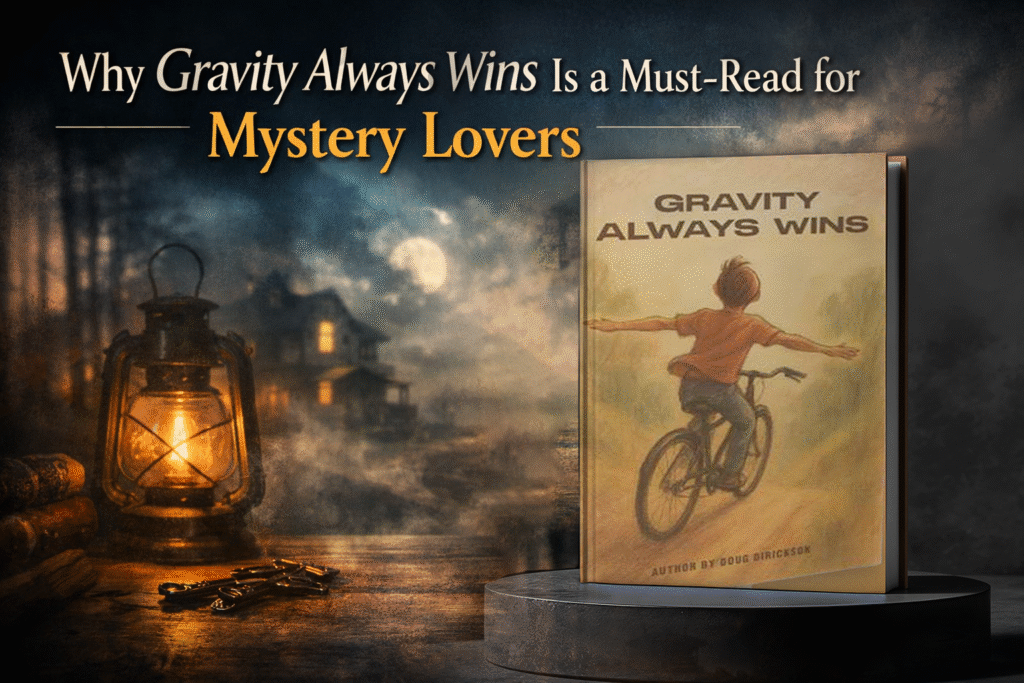
Finding a mystery novel that truly delivers depth, emotion, and intelligence is becoming increasingly rare. Many readers actively seek a Gravity Always Wins book review because they are looking for a story that transcends predictable twists and shallow suspense. For anyone asking, “Is Gravity Always Wins worth reading?”, the answer lies in the novel’s ability to balance mystery with realism. This is not just another fast-paced thriller. It is a character-driven mystery novel, Gravity Always Wins, that explores human behavior, family secrets, and the lasting weight of truth. If you are a mystery lover who values thoughtful storytelling, this book deserves your attention. What Kind of Book Is Gravity Always Wins? At its core, Gravity Always Wins is a Gravity Always Wins mystery novel that blends suspense with emotional depth. It fits perfectly into the category of a slow-burning mystery novel, where tension builds gradually, and every revelation feels earned. This Book Appeals To Readers Who Enjoy: Rather than racing toward an ending, the novel invites readers to sit with the story, reflect on its meaning, and engage deeply with its characters. Is Gravity Always Wins Worth Reading? If you are searching for a Gravity Always Wins novel review or wondering “Is Gravity Always Wins a good mystery novel?”, the answer depends on what you value as a reader. This Book Is Absolutely Worth Reading If You: Many readers searching for Gravity Always Wins worth reading discover that this novel offers something rare: a mystery that feels authentic, thoughtful, and emotionally grounded. Why Gravity Always Wins Is a Must-Read for Mystery Lovers Mystery lovers often struggle to find books that strike a balance between suspense and meaning. Gravity Always Wins succeeds because it understands its audience. A Mystery That Respects the Reader This is a mystery novel that respects the reader’s intelligence. Instead of over-explaining or relying on gimmicks, it allows the story to unfold naturally. Emotional Weight That Feels Real Readers searching for mystery novels with deep characters often connect with this book because its emotions feel genuine, not manufactured. A Thoughtful, Slow-Burn Experience As a slow-burning mystery novel, it builds trust with the reader, making each reveal more impactful. These qualities place the book among the best mystery books for adults who want substance. Why Readers Connect So Deeply With the Characters in Gravity Always Wins One of the most common search phrases related to this book is “Why readers connect so deeply with the characters in Gravity Always Wins.” The Answer Lies In Realism. This is a character-driven mystery novel, Gravity Always Wins, where characters are not defined by stereotypes. They are shaped by: Readers see themselves reflected in these characters, which strengthens emotional engagement and makes the mystery feel personal. What Makes Gravity Always Wins Different From Other Mystery Novels? A Frequent Question Among Readers Is: “What Makes Gravity Always Wins Different From Other Mystery Novels?” The difference is depth. Unlike many modern mysteries that rely on speed, this novel focuses on: This makes it especially appealing to readers searching for a southern mystery novel recommendation or a best mystery novel for adults with lasting impact. What Gravity Always Wins Teaches Us About Redemption and Truth Readers often search “What Gravity Always Wins teaches us about redemption and truth”, and the theme is central to the story. The Novel Explores: As a mystery book with emotional depth, it leaves readers thinking long after the final chapter. Who Should Read Gravity Always Wins? People Often Ask: This Book Is Ideal For: If you value depth, realism, and intelligent writing, this novel belongs on your shelf. Where to Buy Gravity Always Wins If you are looking for a Gravity Always Wins book summary or an honest Gravity Always Wins book review, the best way to experience the story is to read it yourself. 👉 Buy Gravity Always Wins on Amazon and discover why readers consider it a must-read mystery novel. Frequently Asked Questions About Gravity Always Wins Is Gravity Always Wins Worth Reading For Mystery Lovers? Yes. Gravity Always Wins is worth reading. Searches are common because the novel delivers emotional depth, strong characters, and intelligent storytelling that mystery lovers appreciate. Does Gravity Always Win? A Good Mystery Novel? Absolutely. Many readers describe it as a mystery novel that respects the reader’s intelligence, offering thoughtful suspense instead of predictable twists. What Kind Of Mystery Novel Is Gravity Always Wins? It is a character-driven mystery novel, Gravity Always Wins, combining suspense with emotional realism and a strong focus on human behavior. Who should read Gravity Always Wins? This book is perfect for readers looking for the best mystery novel for adults, especially those who enjoy slow-burning suspense and emotionally rich stories. What makes Gravity Always Wins different from other mystery novels? Unlike many mysteries, it emphasizes character psychology and meaningful themes, making it a mystery book with emotional depth rather than a simple puzzle. Is Gravity Always Wins Suitable for Fans of Southern Mystery Novels? Yes. Many readers searching for a southern mystery novel recommendation find this book appealing due to its atmosphere, pacing, and emotional authenticity. Final Thoughts For Readers Searching Online For: This novel consistently proves itself as a must-read mystery novel. It offers emotional depth, thoughtful suspense, and characters that feel real, qualities that mystery lovers value most.

Places influence people long before they realize it. Geography does more than define borders on a map. It shapes habits, beliefs, and the way consequences appear in everyday life. Because of this, the idea behind from Georgia to Mexico is not about distance. Instead, it is about contrast. Georgia represents routine and structure. Mexico represents emotion and expression. Between these two environments exists the philosophical space that Voodoo Donkey explores. How Environment Shapes Behavior Many people search for answers to questions like how environment affects behavior or how culture shapes identity. That curiosity exists because people sense a connection between where they live and how they think. In structured environments, discipline often develops quietly. In expressive environments, emotion tends to surface quickly. However, neither setting creates character. Instead, each one reveals it. Georgia often rewards consistency and restraint. Mexico, on the other hand, forces individuals to face unpredictability. While the methods differ, both environments expose weakness and strength in their own way. Why Contrast Creates Awareness When people move between two different worlds, comfort disappears. As a result, assumptions are challenged. This is where self-awareness begins. In places built on routine, flaws can stay hidden for years. In contrast, environments filled with emotion bring those flaws forward immediately. For that reason, contrast becomes a powerful teacher. Rather than changing who someone is, these settings remove excuses. They force honest reactions instead of rehearsed behavior. Setting as a Psychological Trigger People also search for ideas related to psychology of place and how surroundings influence decisions. That interest exists because surroundings change how people act under pressure. When rules shift, choices become clearer. In rigid systems, mistakes build slowly. Eventually, they surface all at once. In expressive systems, mistakes are visible right away. Therefore, consequences arrive faster and with less warning. This idea sits at the core of Voodoo Donkey’s philosophy: consequences are unavoidable, but environments decide how quickly they appear. Culture Beneath the Surface Culture is not decoration. It is pressure. In some places, pressure is silent and constant. In others, it is loud and immediate. Because of this difference, people respond in opposite ways. Those raised in structure often fear chaos. Meanwhile, those raised in chaos often distrust structure. Although both believe the other side has it easier, neither view is accurate. Instead, each environment demands a different kind of strength. Where Voodoo Donkey Belongs Voodoo Donkey exists between order and chaos. It does not glorify either side. Instead, it examines what happens when people are placed under pressure and left with their choices. Throughout the site, the message remains consistent: your environment does not excuse your actions. Rather, it reveals them. From Georgia to Mexico is not a physical journey. It is a mental one. It moves through discomfort, conflict, and consequence. That is why the setting matters. Choice, Pressure, and Consequence Under pressure, people stop performing. At the same time, they stop hiding behind comfort. As a result, character becomes visible. This is why the idea that consequences always win becomes unavoidable. No matter how much control people believe they have, gravity pulls actions toward outcomes, a reality explored further in our reflection on how gravity always wins. Georgia offers safety but often delays truth. Mexico removes safety and forces it forward. Neither environment creates change. They simply remove the mask. Because of this, pressure does not alter people. It exposes them. Because of this, pressure does not alter people. It exposes them. Why This Setting Connects With Readers Readers are increasingly drawn to topics like self-awareness through experience and life lessons shaped by environment. These themes resonate because many people feel caught between structure and freedom. That tension is universal. Everyone recognizes the moment when comfort disappears and decisions become real. The Meaning Behind Movement Movement is not escape. Instead, it is exposure. Traveling from Georgia to Mexico represents stepping away from predictability and into consequence. For that reason, this setting works. It forces accountability. It demands presence. It invites reflection. Final Thought From Georgia to Mexico is not a travel story. It is a reflection on identity, contrast, and consequence. It aligns with the philosophy of Voodoo Donkey by showing one clear truth: Life is shaped by consequences. Environments simply decide how clearly we see them.

Many people believe pressure changes who they are. They often say stress made them angry, fear made them weak, or responsibility turned them cold. In reality, pressure does not create character; it reveals it. When life feels easy, almost anyone can appear disciplined, calm, and kind. Comfort hides flaws, while stability masks weakness. However, once pressure enters the picture, the truth begins to surface. Pressure removes filters and strips away excuses. Instead of allowing performance, it forces action. In these moments, character becomes visible not through words, but through behavior. Why Comfort Hides Who We Really Are In comfortable situations, people tend to perform rather than reflect. Because nothing feels at risk, they manage impressions, say the right things, and follow rules with ease. Comfort allows delay, avoidance, and negotiation. As a result, mistakes feel fixable and time seems endless. Yet comfort is deceptive. It creates an illusion of stability while quietly limiting growth. Many people confuse comfort with strength until pressure removes the safety net and exposes reality. Pressure Forces Honest Decisions Pressure compresses time and limits options. When resources shrink, time runs short, or stakes rise, there is little space for overthinking. People stop talking about values and start acting on them. Under Pressure: These reactions are not created in the moment. Instead, they already exist beneath the surface. Pressure simply brings them into view. Stress Reveals Discipline or Lack of It Discipline becomes visible when motivation disappears. Anyone can stay focused when energy is high and circumstances are easy. But pressure drains motivation, creates fatigue, and removes excitement. This Is Where Real Discipline Appears. This is where real discipline appears. People with discipline rely on systems, not feelings. Even when it is uncomfortable, they continue to show up. Those without discipline wait for relief, permission, or external support. Pressure makes this difference impossible to hide. Pressure Tests Emotional Control Emotional control is not proven in calm moments; it is revealed in chaos. Pressure triggers fear, frustration, and insecurity. Some people respond with patience and clarity, while others react with anger, panic, or withdrawal. These responses are not accidental. Rather, they are habits formed over time. Pressure does not invent emotional reactions; it exposes them. Accountability vs Excuses Under Pressure One of the clearest signs of character is how a person responds when things go wrong. Pressure creates problems, but character determines the response. Some People Say: Others Say: Pressure doesn’t make people honest it removes their ability to hide dishonesty. Why Pressure Builds Some People and Breaks Others Pressure itself is neutral. It doesn’t reward or punish. It applies force. People who have built habits, resilience, and self-awareness use pressure as feedback. They adapt. They learn. They improve. People who rely on comfort and avoidance experience pressure as attack. They resist it. They deny it. They blame it. The difference isn’t talent or intelligence it’s preparation. Character Is Built Before Pressure Arrives The mistake most people make is trying to develop strength during pressure. By then, it’s too late. Character is built quietly, long before it’s tested. These shape responses long before stress arrives. Pressure only reveals what repetition has already created. Why Pressure Is Necessary for Growth Without pressure, character remains untested. Without resistance, strength never forms. Growth requires friction. Pressure brings clarity. It exposes weakness early or punishes it later. Although uncomfortable, it serves a purpose. It removes illusion, replaces it with truth, and shows people who they are and who they still need to become. Conclusion: Pressure Is the Mirror You Can’t Avoid Pressure does not ruin character; it reveals it. It shows whether discipline is real, whether values are practiced, and whether responsibility is accepted or avoided. Comfort lies. Pressure tells the truth. If pressure exposes flaws, that is not failure it is information. When used honestly, information becomes growth. Life will apply pressure eventually. It always does. The only question is whether it will reveal strength or expose what was never built in the first place.

From a young age, we are taught to believe that life is something we can manage. Plan enough, think ahead, stay positive and everything will fall into place. This belief gives comfort. It reduces fear. It makes uncertainty feel survivable. But as life unfolds, a hard truth slowly reveals itself: control is mostly an illusion. The world does not respond to what we hope for or intend. It responds to consequences. Quietly, consistently, and without emotion. Why Humans Need to Feel in Control The need for control is deeply rooted in human psychology. Control creates a sense of safety. When people believe they are steering their lives, anxiety feels manageable. This is why routines, plans, and future promises feel so powerful even when they are empty. The mind prefers certainty over truth, even if that certainty is false. Believing “I’ll fix it later” or “this won’t affect me” feels better than acknowledging the forces beyond our control, a theme explored more deeply in Gravity Always Wins. The Illusion That Delays Accountability The illusion of control survives because consequences are rarely immediate. Life allows damage to accumulate quietly. Missed responsibilities don’t always punish instantly. Bad habits don’t collapse everything overnight. This delay creates false confidence. People mistake silence for permission. They assume nothing is happening because nothing has happened yet. In reality, consequences are forming slowly, patiently, and without warning. A World Built on Cause and Effect The world operates on a simple system: cause and effect. Discipline builds momentum. Avoidance creates pressure. Repeated choices turn into patterns, and patterns turn into identity. Life does not negotiate with intention. It responds only to action. This is why people feel shocked when outcomes arrive. Not because they were unfair but because they were ignored. Why Intentions Don’t Protect You Good intentions feel powerful, but they don’t cancel consequences. You can intend to be healthy while neglecting your body. You can intend to succeed while avoiding effort. You can intend to fix relationships while repeating the same behavior. Reality doesn’t measure intention it measures consistency. And consistency always outweighs belief. Personal Responsibility: Where Illusion Breaks Responsibility is uncomfortable because it removes excuses. It forces honesty. It reveals patterns we would rather avoid. That’s why many people resist it. Blaming circumstances protects the ego, but it also removes power. When responsibility is accepted, something shifts. You stop arguing with reality. You stop expecting exceptions. And for the first time, you gain control not over outcomes, but over actions. What You Can Control (And What You Can’t) True control is limited, but it is real. You don’t control outcomes, but you control effort. You don’t control time, but you control consistency. You don’t control people, but you control behavior. Strength is not about dominating life — it’s about aligning with reality. When you respect consequences instead of resisting them, life becomes clearer. Harder, yes but honest. When Reality Pushes Back Everyone meets consequences eventually. Some meet them early and adjust. Others meet them late and suffer longer. No one avoids them forever. That moment when reality pushes back feels painful, but it’s also revealing. Illusions fall. Patterns become visible. Truth becomes unavoidable. And while consequences can break a person, they can also rebuild one — if the lesson is accepted instead of denied. Conclusion: Why Gravity Always Wins The illusion of control is human, but clinging to it is costly. Life does not reward belief or intention. It responds to behavior. The sooner we accept that consequences govern the world, the sooner we stop fighting reality and start working with it. You don’t need more motivation or planning. You need alignment with truth. Because no matter how long we delay or deny it gravity never stops working. And in the end, gravity always wins.
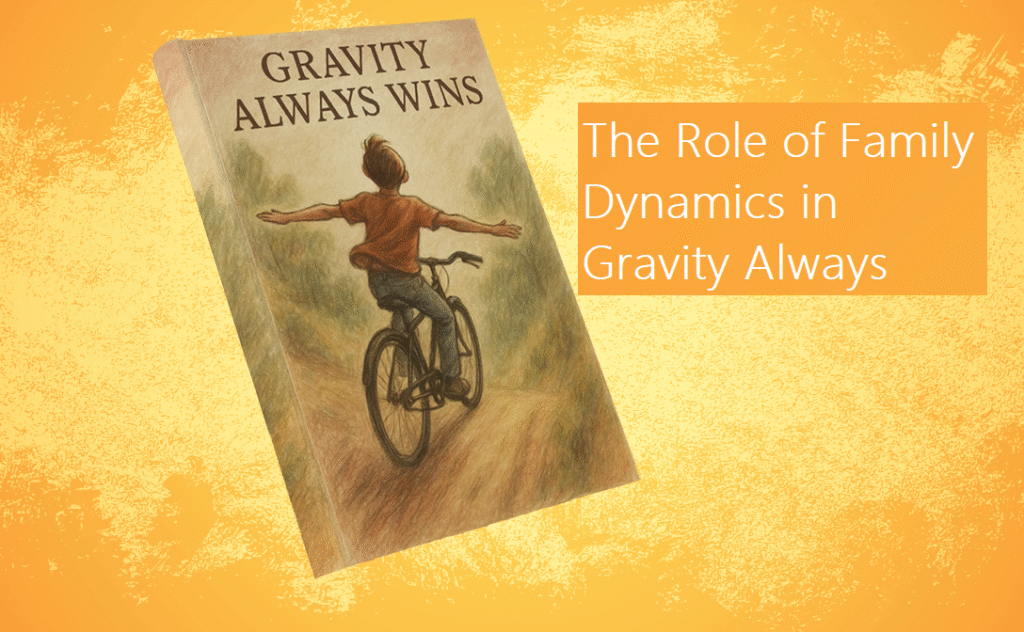
Gravity Always Wins by Doug Dirickson is a psychological thriller that captivates readers with its unpredictable twists, complex characters, and emotional depth. However, one of the most compelling elements of this book is the exploration of family dynamics and how they shape the characters’ actions, decisions, and overall journey. Family relationships often drive the narrative, influencing the motivations of the protagonist and the choices they make. These familial connections create tension, build suspense, and add an emotional layer to the otherwise suspense-filled plot. In this blog post, we’ll dive into the crucial role that family dynamics play in Gravity Always Wins, exploring how these relationships shape the story and make the thriller more impactful. If you’re a fan of books that tackle complex emotional themes and family struggles, then this exploration will highlight the intricacies of how family ties influence character development. 1. The Protagonist’s Relationship with Their Family: A Foundation for Conflict From the very beginning, the protagonist’s relationship with their family provides a backdrop for the entire story. While outwardly, the family seems supportive, beneath the surface, unspoken tension runs deep. The protagonist’s strained relationship with a parent, sibling, or other close relatives serves as a source of internal conflict. These personal struggles often manifest in the protagonist’s decisions, shaping their path throughout the book. The book delves into the complexities of parent-child relationships, particularly how past misunderstandings or unresolved issues can haunt a person well into adulthood. This inner turmoil affects not only the protagonist’s emotional state but also their ability to trust others, making the family dynamic a central part of the story. 2. The Role of Secrets and Hidden Truths Within the Family Secrets are a common theme in Gravity Always Wins, and they often revolve around family members. These secrets, whether hidden out of shame, fear, or protection, play a key role in shaping the protagonist’s journey. As the story unfolds, the protagonist uncovers the hidden truths that have shaped their family’s past, and these revelations dramatically alter their perception of themselves and their loved ones. The idea that family members can hide significant details from one another highlights the complexity of trust and communication within families. It challenges the conventional notion of familial bonds as being inherently trustworthy and supportive, showing that even the closest relationships can harbor significant secrets. 3. Generational Influence: How the Past Haunts the Present In Gravity Always Wins, the actions of previous generations echo through the lives of the characters. The protagonist’s family history is full of unresolved conflicts and trauma, and these past experiences influence the current relationships and emotional struggles the characters face. The generational influence explores how the sins of the past can affect the future, and how one’s family history can shape their identity and choices. This theme also touches on intergenerational trauma the idea that emotional or psychological damage passed down through generations can affect children and grandchildren in profound ways. The family dynamics in the book reveal that healing is often a long and difficult process, as characters are forced to confront their painful pasts to move forward. 4. Conflict Between Siblings: A Source of Rivalry and Resolution Siblings play a significant role in the protagonist’s emotional journey. In Gravity Always Wins, the sibling dynamic is one of rivalry, competition, and sometimes, resentment. These relationships often complicate the protagonist’s internal conflict, creating moments of tension and emotional release throughout the story. Whether it’s jealousy over parental affection, differences in values, or past betrayals, the relationship between siblings provides an added layer of complexity to the protagonist’s personal struggles. However, as the plot progresses, the siblings are also forced to confront their issues, ultimately leading to moments of resolution and personal growth. 5. Parental Influence on Choices and Identity The parent-child relationship in Gravity Always Wins is one of the book’s most important emotional threads. The protagonist’s identity and personal decisions are often shaped by the influence of their parents whether consciously or subconsciously. The protagonist’s need for approval or fear of rejection often directs their behavior, leading them to make choices that they later regret. The book also explores how parental expectations can create internal conflict, especially when those expectations conflict with the protagonist’s own desires or values. This tension is a driving force in the story and adds a layer of complexity to the character’s emotional development. 6. Family Loyalty and Betrayal: The Fine Line Between Love and Loyalty Throughout Gravity Always Wins, family loyalty undergoes repeated tests. In moments of extreme stress, the characters face tough choices between loyalty to family and their personal morals. Dirickson explores whether blood truly runs thicker than water, with family members making difficult sacrifices that challenge their beliefs and values. The theme of betrayal within families reveals the fragile nature of loyalty. At times, even the strongest ties break under pressure, forcing the characters to confront their emotional wounds and face the consequences of their decisions. This theme adds suspense and emotional depth to the story, making the narrative even more engaging. Final Thoughts: Family Dynamics Make the Story Unforgettable In Gravity Always Wins, family dynamics are not just a subplot; they are central to the emotional and thematic core of the book. Dirickson’s portrayal of complex family relationships adds a rich layer of tension and emotional depth to the story, making it a thrilling psychological journey that readers won’t soon forget. By exploring themes like trust, betrayal, generational trauma, and emotional growth, the book underscores how family can both nurture and destroy, shape our identities, and influence our choices. If you’re looking for a thriller that delves deeply into the complexities of family relationships, Gravity Always Wins should definitely be on your reading list.
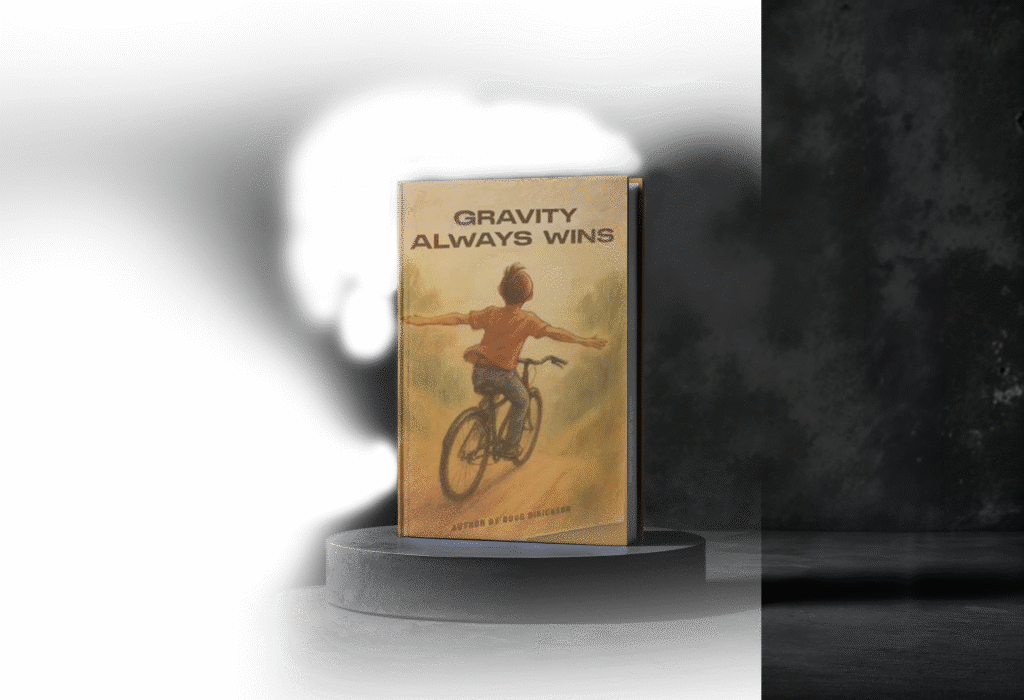
Gravity Always Wins by Doug Dirickson isn’t just your average thriller. It stands as a masterclass in suspense, tension-building, and delivering twists that challenge everything you thought you knew. This book doesn’t just keep you hooked; it surprises you with unexpected turns, pushing your expectations and elevating the reading experience. In this blog post, we’ll explore five unexpected twists from Gravity Always Wins that are bound to leave you speechless. If you’re a fan of psychological thrillers filled with shocking revelations, this book will keep you on the edge of your seat. Let’s dive into how Dirickson’s storytelling genius flips the script and keeps you guessing until the very end. 1. The Protagonist’s Past Is Not What It Seems One of the most gripping twists in Gravity Always Wins happens early when the story reveals the protagonist’s past in a way that changes everything. Initially, we think the protagonist’s history is fairly simple, with a few dark spots. But as the story unfolds, hidden secrets emerge, affecting the protagonist’s motivations and reshaping their relationships with key figures. The revelation that the protagonist’s past is far darker than expected sets the stage for a thrilling ride. This twist explores identity and memory, showing how the past shapes who we are and how certain truths can remain buried or forgotten. Readers will rethink the entire backstory, realizing that no one is truly who they appear to be on the surface. 2. A Key Character Betrays the Hero In a classic example of a double-cross, one of the characters we trust most reveals their own agenda. This betrayal stings because it feels so genuine. The character has supported, advised, and shown loyalty throughout the book. But as the story nears its climax, it becomes clear that this character has been working behind the scenes to deceive the protagonist. This twist highlights a deeper theme of trust and deception, showing how reliance on others can lead to downfall. It forces the reader to question how much they can trust the people around them, making the plot even more intense. 3. The Villain Isn’t Who You Think It Is In many thrillers, the villain is obvious from the start they’re either a shadowy figure lurking in the background or an obvious antagonist. But in Gravity Always Wins, Dirickson cleverly manipulates expectations by revealing that the true villain isn’t who you’ve been led to believe. The person you thought was the villain turns out to be a victim, while the real antagonist hides in plain sight. This twist on the villain archetype adds a layer of complexity to the story. It forces you to reflect on the true nature of good and evil and how perspective changes how we view people and situations. 4. A Key Clue Is Right in Front of Us the Whole Time As the story progresses, the characters uncover a small but crucial detail that’s been in front of them from the very beginning. At first, they see this piece of the puzzle as insignificant. But when the final pieces come together, they realize that this seemingly minor clue holds the key to understanding everything that’s happened. This twist showcases the power of foreshadowing a key tool in any thriller novel. It also reminds us how easily we overlook small details when we focus too much on the bigger picture. 5. The Ending Will Change Everything You Thought You Knew Without giving too much away, the final twist in Gravity Always Wins will change everything for readers. Just when you think you’ve figured it out, the ending takes a sharp turn that makes you rethink everything you’ve read up until that point. It’s the kind of ending that has you flipping back through the pages, searching for clues you missed the first time. This twist is a brilliant example of narrative structure and reader manipulation. Dirickson wraps up all the loose ends while leaving you with a sense of disbelief and perhaps even a little emotional catharsis. Final Thoughts: A Thrilling Ride Until the End Gravity Always Wins is a psychological thriller that doesn’t rely on cheap tricks or predictable outcomes. Instead, Dirickson keeps you engaged by using unexpected twists that challenge your assumptions about the characters, plot, and even the genre itself. Whether it’s a shocking betrayal, a surprising villain, or an ending that turns everything upside down, this book will leave you speechless. If you’re a fan of thrillers that keep you guessing until the very last page, Gravity Always Wins should definitely be on your reading list.
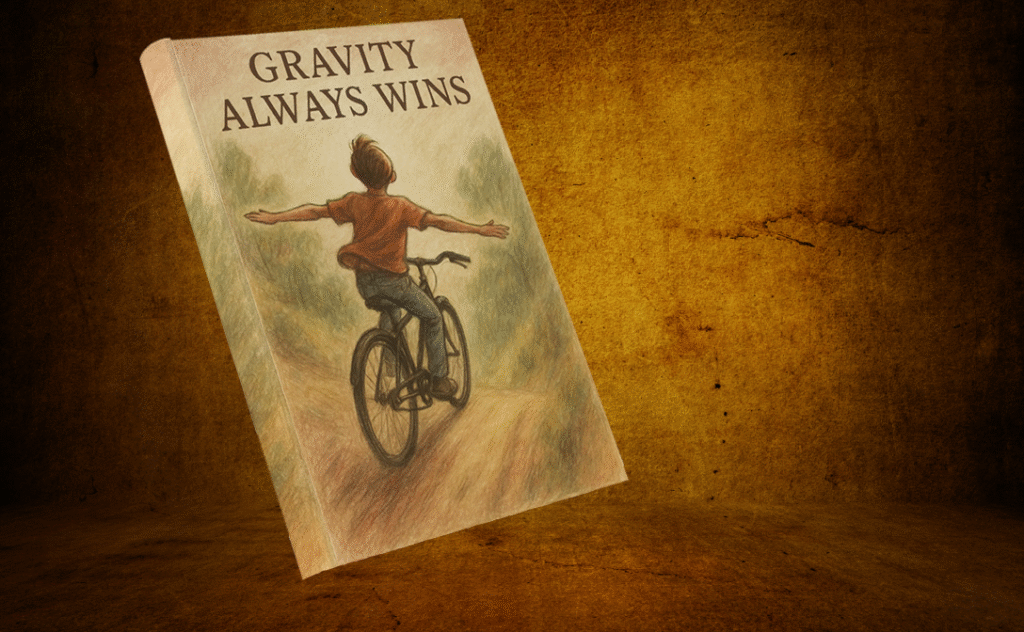
In the world of thrillers and mysteries, it can be hard to find a story that not only keeps you on the edge of your seat but also leaves a lasting impact. Gravity Always Wins by Doug Dirickson is one of those rare books that delivers on both suspense and emotional depth. Set to become one of the most talked-about thrillers of 2025, it is a must-read for anyone who loves complex characters, intricate plots, and themes of redemption and legacy. But what is it about Gravity Always Wins that makes it stand out among a sea of new releases? Let’s dive into this book review and explore why this book deserves a prominent place on your reading list this year. 1. A Unique Blend of Psychological Thriller and Emotional Drama One of the most compelling reasons Gravity Always Wins stands out in 2025 is its ability to seamlessly blend psychological thriller elements with deep emotional drama. The book doesn’t just focus on the plot twists and mysteries; it also examines the emotional turmoil of its characters. The author creates an atmosphere where tension and intrigue are balanced by moments of reflection and self-discovery, something that’s often missing from many fast-paced thrillers. The storyline revolves around legacy, guilt, and redemption, where characters are forced to confront their past mistakes and the weight of their actions. This emotional depth makes the book resonate more with readers who enjoy thrillers that make them think about their own lives, values, and relationships. 2. Unpredictable Plot Twists That Keep You Hooked What sets Gravity Always Wins apart from other thrillers is its mastery of the unpredictable plot twist. While many books offer a twist or two, Doug Dirickson takes it a step further by crafting twists that are not only surprising but also deeply impactful. Each twist feels earned, not forced, and ties back into the larger themes of the story. The ability to write a truly unpredictable thriller, where every turn feels like a revelation, is a rare skill. And Dirickson does it with finesse. As the narrative unfolds, readers are left questioning everything they thought they knew, which is what makes this book such an exciting experience. It’s a story that keeps you guessing and delivers on its promise to surprise you until the very last page. 3. Memorable Characters with Real Human Struggles Another aspect that makes Gravity Always Wins stand out is its characters. Dirickson doesn’t just create characters for the sake of advancing the plot; he gives them real, tangible struggles. The protagonist’s journey is fraught with personal dilemmas, moral questions, and the battle to reconcile past actions with their present life. This sense of inner conflict and character development is what makes the book so engaging. The characters’ flaws and strengths feel relatable, and their struggles are something readers can empathize with, whether they’re facing similar challenges or simply appreciate the depth of the human experience. 4. Exploration of Universal Themes What makes Gravity Always Wins so compelling is its exploration of universal themes like redemption, legacy, and the search for truth. These are themes that resonate with a wide range of readers, regardless of their background. Whether it’s the quest for self-forgiveness or the impact of a person’s choices on future generations, the themes explored in this book are both timeless and deeply human. The exploration of these themes makes the book not just a thrilling ride but also a thought-provoking journey. It raises questions about the choices we make, the secrets we keep, and the consequences that follow. And while the book is primarily a mystery, these deeper themes are what elevate it to something more meaningful and lasting. 5. Atmosphere and Setting That Enhance the Story The setting of Gravity Always Wins is more than just a backdrop for the story it plays a key role in building tension and atmosphere. Dirickson uses the setting to enhance the mood, whether it’s the eerie quiet of a darkened town or the claustrophobic feeling of a character being trapped in their own past. The settings are richly described and contribute to the overall sense of unease that permeates the book. This mastery of atmosphere is what makes the book a true page-turner. You’re not just reading a story you’re stepping into the world the author has created, and it feels immersive and real. 6. Why Gravity Always Wins Is Perfect for Fans of Dark Thrillers If you’re a fan of dark thrillers, Gravity Always Wins is the book for you. It doesn’t shy away from exploring the darker side of human nature, and it pulls no punches when it comes to the consequences of actions. The book is perfect for readers who crave stories that challenge them, force them to think deeply, and offer a glimpse into the complexity of human morality. For anyone who enjoys psychological suspense, intricate plotting, and deep character exploration, Gravity Always Wins will not disappoint. It’s a book that’s as intellectually stimulating as it is thrilling, making it a standout in the genre for 2025. 7. A Highly Recommended Thriller for 2025 It’s rare to find a thriller that checks all the boxes engaging plot, relatable characters, deep themes, and a satisfying conclusion. Gravity Always Wins does just that. It’s a book that hooks you from the very first page and doesn’t let go until the final twist. With its strong character development, unpredictable twists, and thought-provoking themes, this book will stand out in 2025 as one of the best thrillers of the year. If you haven’t picked it up yet, now is the time to dive into this unforgettable journey. Conclusion Gravity Always Wins is a must-read thriller for 2025, offering a unique combination of psychological suspense, emotional depth, and unexpected twists. It’s a book that doesn’t just entertain but also makes readers reflect on deeper themes of legacy, redemption, and human nature. If you’re a fan of dark, thought-provoking thrillers that leave a lasting impact, this is the book