
The Emotional Journey of Doug Dirickson in Gravity Always Wins

Emotional Journey

In the world of literature, few books manage to capture the raw emotional journey of their characters like Doug Dirickson’s journey in Gravity Always Wins. This story explores not only the external struggles of its protagonist but also dives deep into the complexities of the human psyche. The book’s portrayal of Doug’s emotional highs and lows provides readers with a mirror to reflect on their own lives. Accepting the Emotional Depth of Gravity Always Wins At its core, Gravity Always Wins is a tale about the emotional resilience of Doug Dirickson, a man who faces overwhelming odds in life but refuses to surrender his dignity. From the very beginning, Doug is faced with emotional trauma, regret, and an ever-present feeling of being lost. His journey unfolds through a series of events that test his emotional strength and challenge his understanding of self-worth. Emotional Impact: One of the main reasons why Gravity Always Wins resonates so deeply with readers is its ability to translate raw emotions into tangible experiences. Doug’s internal battle, shaped by personal losses and challenges, is a relatable experience for many. His emotional journey doesn’t just serve as the backdrop of the story; it is the driving force that pushes the narrative forward. Character Analysis: Doug Dirickson’s Emotional Growth Doug Dirickson is not your typical hero. While many protagonists are defined by their actions, Doug’s development is more about his internal transformation. Throughout the story, he struggles with feelings of worthlessness and loss. Yet, he also demonstrates incredible emotional growth, learning to confront his fears, accept his flaws, and rise above his circumstances. From Self-Doubt to Strength: Doug’s evolution is a testament to the resilience of the human spirit. His journey reflects a deep emotional struggle that many readers can empathise with. In the early chapters, Doug is a man weighed down by regret and self-doubt. However, as the plot progresses, he begins to shed these emotional burdens and learns to embrace the strength within him. This transformation is one of the most powerful aspects of Gravity Always Wins. It shows that emotional healing is possible, no matter how far gone someone might feel. Doug’s story is a testament to the strength we all have inside to rise from our darkest moments and find meaning in life again. The Emotional Themes in Gravity Always Win Emotion is the heartbeat of Gravity Always Wins. Doug’s journey is deeply intertwined with themes of regret, guilt, redemption, and self-empowerment. The book explores the emotional toll that past mistakes and traumas can have on an individual, while also highlighting the potential for healing and growth. Regret and Redemption: One of the central emotional themes in Gravity Always Wins is the idea of regret. Doug struggles with past mistakes, but his journey shows that regret does not have to define one’s future. The book weaves a powerful narrative around redemption, offering readers a glimmer of hope that even the most painful past can be overcome. The Weight of Emotional Burdens: As Doug faces his challenges, the weight of his emotional burdens becomes more apparent. Gravity Always Wins uses this struggle to symbolise the pressures we all face in life. Doug’s battle isn’t just against external forces but against his own internal demons, making his victory all the more poignant. Self-Acceptance and Personal Growth: Another critical theme is self-acceptance. Doug’s journey towards understanding and accepting his flaws is one that resonates deeply with readers. This is a universal experience: we all struggle with feelings of inadequacy at times. Doug’s emotional growth serves as a reminder that personal growth comes from acknowledging our imperfections, not running from them. Why Gravity Always Wins is So Emotionally Powerful What makes Gravity Always Wins emotionally powerful is its ability to make readers feel seen. Doug’s emotional struggles are universal, yet the way they are presented feels uniquely personal. The novel doesn’t just tell Doug’s story; it invites readers to walk in his shoes, feel his pain, and experience his triumphs. The Raw, Unfiltered Emotion: Doug’s internal monologue and the book’s candid portrayal of his emotions offer readers an intimate connection with the character. It’s this raw emotional transparency that draws readers in. The author doesn’t shy away from showing the darkest sides of Doug’s journey, and this honesty is what makes his eventual emotional growth so impactful. The Role of the Author in Shaping the Emotional Journey Doug Dirickson’s journey is made even more poignant by the author’s perspective on emotion. The author writes with a deep understanding of human emotion, particularly the complexity of emotional struggles and recovery. By portraying Doug’s emotional depth so vividly, the author ensures that readers don’t just read the story, they feel it. The emotional journey in Gravity Always Wins is a reflection of the author’s own beliefs about the power of human resilience. Through Doug’s transformation, the author demonstrates that while life may present immense challenges, we always have the capacity to rise, heal, and emerge stronger. The Key Emotional Lessons from Gravity Always Wins As readers follow Doug’s emotional journey, they are presented with several important lessons about dealing with personal struggles: No One is Alone in Their Struggles: Doug’s journey reminds us that emotional pain is a universal experience. Everyone goes through their own battles, but we are not alone in our struggles. The book encourages readers to reach out, connect, and support one another through life’s hardest moments. Emotional Healing Takes Time: The book also emphasises that emotional healing isn’t instantaneous. Doug’s journey is not a quick fix but a slow, steady process of learning to cope, grow, and heal. This serves as a reminder that we all need patience with ourselves as we work through our emotional wounds. Strength is Found in Vulnerability: Finally, Doug’s emotional growth teaches that strength comes from vulnerability. It is when Doug faces his darkest moments and confronts his own emotions that he begins to heal. This lesson resonates with many readers, as it encourages them to embrace their vulnerabilities rather
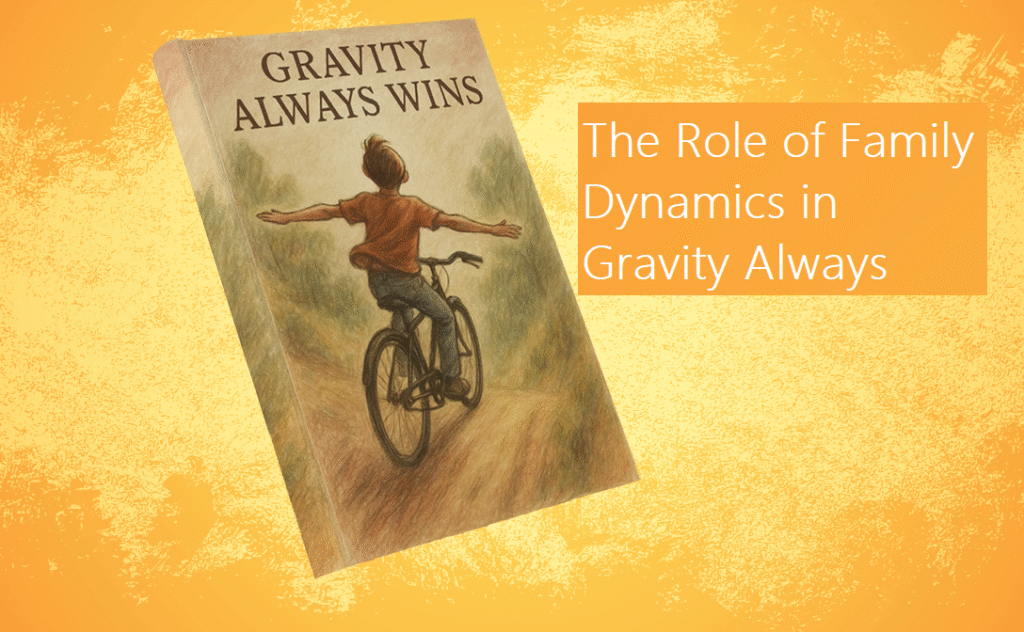
The Role of Family Dynamics in Gravity Always Wins

Gravity Always

Gravity Always Wins by Doug Dirickson is a psychological thriller that captivates readers with its unpredictable twists, complex characters, and emotional depth. However, one of the most compelling elements of this book is the exploration of family dynamics and how they shape the characters’ actions, decisions, and overall journey. Family relationships often drive the narrative, influencing the motivations of the protagonist and the choices they make. These familial connections create tension, build suspense, and add an emotional layer to the otherwise suspense-filled plot. In this blog post, we’ll dive into the crucial role that family dynamics play in Gravity Always Wins, exploring how these relationships shape the story and make the thriller more impactful. If you’re a fan of books that tackle complex emotional themes and family struggles, then this exploration will highlight the intricacies of how family ties influence character development. 1. The Protagonist’s Relationship with Their Family: A Foundation for Conflict From the very beginning, the protagonist’s relationship with their family provides a backdrop for the entire story. While outwardly, the family seems supportive, beneath the surface, unspoken tension runs deep. The protagonist’s strained relationship with a parent, sibling, or other close relatives serves as a source of internal conflict. These personal struggles often manifest in the protagonist’s decisions, shaping their path throughout the book. The book delves into the complexities of parent-child relationships, particularly how past misunderstandings or unresolved issues can haunt a person well into adulthood. This inner turmoil affects not only the protagonist’s emotional state but also their ability to trust others, making the family dynamic a central part of the story. 2. The Role of Secrets and Hidden Truths Within the Family Secrets are a common theme in Gravity Always Wins, and they often revolve around family members. These secrets, whether hidden out of shame, fear, or protection, play a key role in shaping the protagonist’s journey. As the story unfolds, the protagonist uncovers the hidden truths that have shaped their family’s past, and these revelations dramatically alter their perception of themselves and their loved ones. The idea that family members can hide significant details from one another highlights the complexity of trust and communication within families. It challenges the conventional notion of familial bonds as being inherently trustworthy and supportive, showing that even the closest relationships can harbor significant secrets. 3. Generational Influence: How the Past Haunts the Present In Gravity Always Wins, the actions of previous generations echo through the lives of the characters. The protagonist’s family history is full of unresolved conflicts and trauma, and these past experiences influence the current relationships and emotional struggles the characters face. The generational influence explores how the sins of the past can affect the future, and how one’s family history can shape their identity and choices. This theme also touches on intergenerational trauma the idea that emotional or psychological damage passed down through generations can affect children and grandchildren in profound ways. The family dynamics in the book reveal that healing is often a long and difficult process, as characters are forced to confront their painful pasts to move forward. 4. Conflict Between Siblings: A Source of Rivalry and Resolution Siblings play a significant role in the protagonist’s emotional journey. In Gravity Always Wins, the sibling dynamic is one of rivalry, competition, and sometimes, resentment. These relationships often complicate the protagonist’s internal conflict, creating moments of tension and emotional release throughout the story. Whether it’s jealousy over parental affection, differences in values, or past betrayals, the relationship between siblings provides an added layer of complexity to the protagonist’s personal struggles. However, as the plot progresses, the siblings are also forced to confront their issues, ultimately leading to moments of resolution and personal growth. 5. Parental Influence on Choices and Identity The parent-child relationship in Gravity Always Wins is one of the book’s most important emotional threads. The protagonist’s identity and personal decisions are often shaped by the influence of their parents whether consciously or subconsciously. The protagonist’s need for approval or fear of rejection often directs their behavior, leading them to make choices that they later regret. The book also explores how parental expectations can create internal conflict, especially when those expectations conflict with the protagonist’s own desires or values. This tension is a driving force in the story and adds a layer of complexity to the character’s emotional development. 6. Family Loyalty and Betrayal: The Fine Line Between Love and Loyalty Throughout Gravity Always Wins, family loyalty undergoes repeated tests. In moments of extreme stress, the characters face tough choices between loyalty to family and their personal morals. Dirickson explores whether blood truly runs thicker than water, with family members making difficult sacrifices that challenge their beliefs and values. The theme of betrayal within families reveals the fragile nature of loyalty. At times, even the strongest ties break under pressure, forcing the characters to confront their emotional wounds and face the consequences of their decisions. This theme adds suspense and emotional depth to the story, making the narrative even more engaging. Final Thoughts: Family Dynamics Make the Story Unforgettable In Gravity Always Wins, family dynamics are not just a subplot; they are central to the emotional and thematic core of the book. Dirickson’s portrayal of complex family relationships adds a rich layer of tension and emotional depth to the story, making it a thrilling psychological journey that readers won’t soon forget. By exploring themes like trust, betrayal, generational trauma, and emotional growth, the book underscores how family can both nurture and destroy, shape our identities, and influence our choices. If you’re looking for a thriller that delves deeply into the complexities of family relationships, Gravity Always Wins should definitely be on your reading list.