
In the world of literature, few things are more captivating than author interviews that reveal the writing process behind an impactful novel. Every story has its origin, a spark that ignites the journey from the first idea to the final manuscript. Doug Dirickson, the author of Gravity Always Wins, offers an insightful look into his creative process and the personal experiences that influenced his storytelling. When an author shares the behind-the-scenes story of how their book came to life, it gives readers a unique connection to the text. Understanding where an author finds inspiration allows readers to connect more deeply with the material, making the narrative feel more personal and alive. This blog explores Doug Dirickson’s writing process, the inspiration behind Gravity Always Wins, and the role of writing techniques in crafting stories that resonate. What Is a Writer’s Process? Every writer’s journey is unique, but many share common practices when it comes to getting inspired and forming ideas. For Doug Dirickson, his writing journey began with reflection. Whether drawing from personal experiences or exploring themes of regret and redemption, every detail is meticulously crafted. Creative writing habits, like reading, reflecting, and observing the world around him, help Dirickson shape the emotional landscapes in his novels. For many authors, writing techniques are deeply personal and reflect their individual approach to storytelling. In Dirickson’s case, the emotional depth of Gravity Always Wins comes from his ability to tap into personal truths and blend them with universal struggles. This integration of legacy and regret in his work connects with readers on a human level, making the story more than just words on a page. Inspiration Behind Gravity Always Wins At the heart of any great story lies a moment of inspiration. For Doug Dirickson, the spark for Gravity Always Wins came from his own experiences and observations about the human condition. The themes of regret and legacy in the book reflect the personal challenges Dirickson faced while exploring his own emotions. When asked about the book’s inspiration, Dirickson noted that the story revolves around legacy and regret, the emotional burden of actions taken (and not taken). These themes are not merely plot points but serve as the foundational pillars of the novel. Behind the Scenes of Doug Dirickson’s Writing Journey Behind the scenes of every author’s journey lie hard work, dedication, and vulnerability. For Doug Dirickson, the process of writing is not just about creating a story but about excavating his emotions and confronting difficult truths. The creative journey is one of discovery, both for the author and the readers. Every draft, every revision, and every conversation with others helps Dirickson uncover the deeper layers of his work. In Gravity Always Wins, Dirickson takes readers on an emotional journey where legacy and regret are explored through the eyes of the protagonist. The author’s approach to regret in literature focuses not on the mistakes themselves but on the emotional consequences and how they shape the individual. Through this lens, the narrative becomes a mirror for readers, encouraging them to reflect on their own past decisions and personal legacy. Why Regret Is a Powerful Storytelling Tool One of the key themes in Dirickson’s writing is the exploration of regret. Books about regret often resonate because they tap into a universal emotion: the feeling of wishing you could change the past. Regret is an emotion that everyone has experienced, and its presence in a novel can create a deep connection between the reader and the characters. In storytelling, regret in literature is used as a tool to explore the consequences of past actions. It forces characters to face their mistakes, and in doing so, they often find the path to redemption. Lessons About Legacy and Regret from Fiction When we read books that explore legacy and regret, we often come away with valuable lessons about our own lives. Fiction allows us to explore difficult emotions in a safe space, encouraging reflection and self-awareness. The protagonist’s journey in the book illustrates the importance of confronting regret and how doing so can shape a person’s legacy. By coming to terms with the past, the character can move forward, offering readers a powerful lesson in personal growth and the importance of taking responsibility for one’s actions. These themes resonate because they mirror real-life struggles that everyone faces. Final Thoughts on Doug Dirickson’s Writing Process The writing process behind Gravity Always Wins blends personal experience with universal themes. Doug Dirickson’s ability to weave regret, legacy, and personal growth into a deeply emotional narrative speaks to his skill as a storyteller. Through his journey, Dirickson reminds us that we all carry the weight of our choices, but it’s how we face them that shapes who we become. Doug Dirickson has crafted a narrative that is not just about a boy on a bicycle but about the larger journey of life, the emotional highs and lows that define us as humans. By tapping into universal emotions like regret and legacy, Dirickson’s work connects deeply with readers, allowing them to reflect on their own experiences and growth.
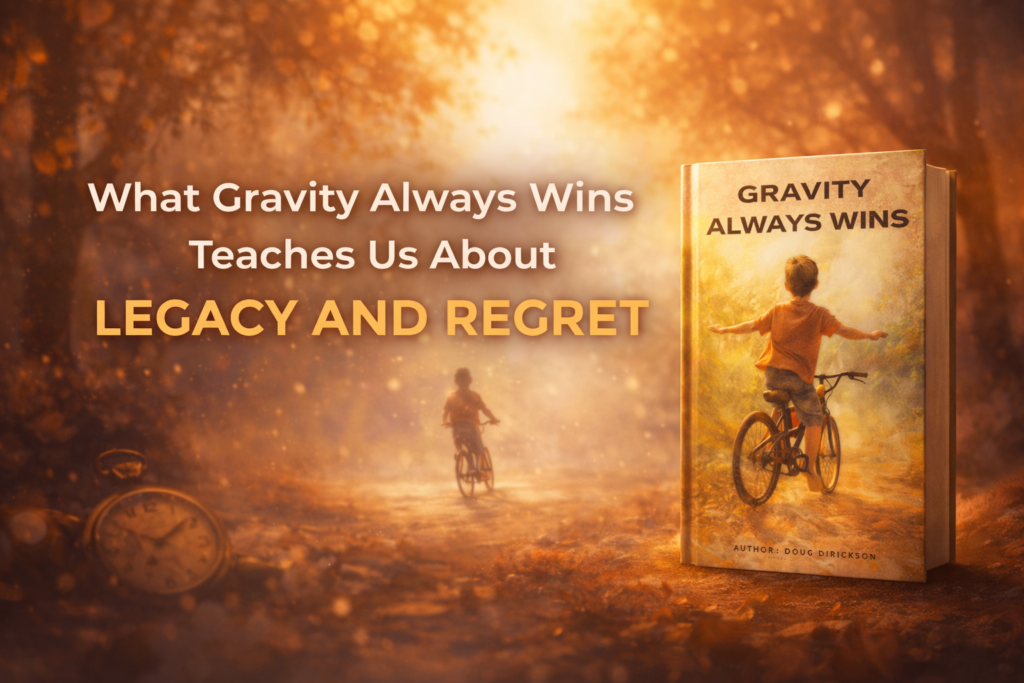
Stories that stay with us long after the final page often do so because they explore deeply human emotions. Among these, legacy and regret stand out as themes that shape how characters understand themselves and their past. Literature has always examined how the choices we make echo through time, leaving behind emotional footprints that cannot be erased. In fiction, regret in literature is not simply about remorse; it is about reckoning. Characters are forced to confront who they were, who they are, and who they might have been. These reflections give stories emotional weight and lasting meaning. What Is Legacy in Literature? Many readers ask, what is legacy in literature, and the answer goes beyond inheritance or reputation. Legacy is the emotional and moral imprint a character leaves behind. It includes memories, unresolved conflicts, and the consequences of decisions made long before the story begins. In novels that focus on introspection, themes of legacy in books often emerge through reflection rather than action. Characters are shaped not only by what they accomplish but also by what they fail to repair. This makes legacy a deeply emotional concept rather than a purely historical one. Why Regret Is a Powerful Storytelling Tool One reason books about regret resonate so strongly is that regret is universal. Everyone has moments they wish they could revisit. Fiction allows readers to explore those emotions safely through someone else’s experience. In storytelling, why is regret a common theme in books? It becomes clear: regret forces honesty. Characters cannot move forward without first acknowledging the past. This emotional tension gives depth to narrative arcs and creates space for growth, understanding, or acceptance. How Regret Shapes Characters in Novels A key element of emotionally driven fiction is how regret shapes characters in novels. Regret slows characters down, forcing reflection rather than reaction. It becomes a lens through which they interpret the present. These moments often reveal unresolved past conflicts and hidden motivations. Through regret, readers see vulnerability, accountability, and the cost of avoidance. This is what makes reflective characters feel authentic and human. The Emotional Legacy Characters Carry Legacy is not always something a character chooses; often, it is something they inherit emotionally. Emotional legacy in fiction refers to the feelings, memories, and consequences passed down through relationships and time. Stories that explore identity and memory show how characters are shaped by what they remember and what they try to forget. This emotional inheritance often defines their sense of self more than external achievements ever could. Lessons About Regret From Fiction Readers searching for lessons about regret from fiction often discover that regret itself is not the enemy. Instead, it is how characters respond to regret that defines their growth. Fiction teaches that regret can either paralyze or transform. When characters confront it honestly, they gain clarity. When they avoid it, it lingers, shaping decisions in subtle but destructive ways. These lessons mirror real life, making such stories deeply relatable. Books That Explore Legacy and Loss Some of the most impactful stories are books that explore legacy and loss together. Loss gives urgency to legacy, forcing characters to consider what truly matters. In these narratives, reflection and memory become central forces. Characters revisit moments they once ignored, realizing too late how deeply those moments mattered. This interplay between loss and legacy creates emotional gravity that stays with the reader. What Gravity Always Wins Reveals About Legacy In Gravity Always Wins, the themes of legacy in novels are explored through reflection rather than spectacle. The story examines how past choices shape present identity and how unfinished emotional business continues to influence the future. The narrative emphasizes consequences of choices, showing that legacy is not built in moments of success but in moments of honesty and accountability. Written under the creative vision of Voodoo Donkey – Doug Dirickson, the novel Gravity Always Wins approaches legacy and regret with emotional realism and quiet introspection. The storytelling focuses less on spectacle and more on memory, reflection, and the lasting impact of personal choices, allowing readers to connect deeply with the human experience behind the narrative. Confronting Regret Through Storytelling One reason fiction remains powerful is its ability to show stories about confronting regret without offering simple solutions. Characters are not rewarded for bravery alone; they are tested by introspection. Through emotional reckoning, characters face truths they once avoided. This confrontation does not always lead to redemption, but it often leads to understanding, a quieter, more realistic form of resolution. Personal Legacy Versus Public Legacy A compelling distinction in reflective fiction is between personal legacy and public perception. Characters may be remembered one way by others while privately grappling with regret and unresolved emotions. This contrast highlights human imperfection, reminding readers that legacy is deeply personal. What matters most is not how one is remembered, but whether one finds peace with the past. Can Fiction Teach Lessons About Regret? Many readers wonder, can fiction teach lessons about regret? The answer lies in emotional honesty. Fiction does not instruct; it reveals. By watching characters’ struggles, readers reflect on their own choices. Stories rooted in legacy and regret offer quiet wisdom rather than moral instruction. They encourage reflection rather than judgment, making their lessons enduring and personal. The Role of Memory in Shaping Legacy Memory plays a crucial role in what books teach about legacy. Characters are often trapped or guided by what they remember. Memory shapes identity, influencing how characters understand their place in the world. Through generational impact, stories show how unresolved emotions ripple outward, affecting others in ways characters may never fully see. About the Author The novel was written by Doug Dirickson, whose storytelling style emphasizes emotional realism, reflection, and character-driven narratives. His approach allows themes like legacy and regret to unfold naturally, without forced resolution, making the story resonate on a deeply human level. Final Thoughts: Why Legacy and Regret Endure in Fiction Stories about legacy and regret endure because they reflect life itself. We all carry memories, unfinished conversations,