
In a world where stories often lean toward fantasy and escape, few narratives dare to reflect reality as it truly is, raw, unfiltered, and deeply human. Gravity Always Wins is one such powerful work that doesn’t just tell a story; it mirrors life itself. At its core, this book is not just about events or characters; it’s about the weight of existence. It explores how life’s invisible forces shape our decisions, relationships, and outcomes. The idea that “gravity always wins” becomes more than a phrase; it becomes a reflection of real-life struggles that every individual faces in one way or another. Decoding the Philosophy of “Gravity Always Wins” Gravity Always Wins introduces a concept that feels both simple and profound. Just like physical gravity pulls everything downward, life has its own form of gravity forces that ground us, challenge us, and often bring us face-to-face with reality. This “gravity” can take many forms: The book beautifully captures how these forces are not external enemies but internal realities that shape who we become. Through its narrative, the story reminds readers that no matter how far we try to escape, reality eventually catches up. This is what makes the message so powerful; it is universal and unavoidable. Real-Life Struggles Reflected in the Story One of the strongest aspects of Gravity Always Wins is its ability to reflect real-life struggles in a relatable and honest way. 1. The Struggle of Avoidance Many people spend a significant part of their lives avoiding difficult truths, whether it’s a failing relationship, a wrong decision, or an unfulfilled purpose. The book shows how avoidance is temporary. Just like gravity, reality pulls you back. This reflects a common human experience: But as the story unfolds, it becomes clear that nothing stays buried forever. 2. The Weight of Consequences Every action carries weight, and this is one of the most important lessons the book highlights. In real life: The narrative of Gravity Always Wins demonstrates that consequences are not always immediate, but they are inevitable. This mirrors the real world, where the results of our actions often surface when we least expect them. 3. Emotional Burdens and Internal Conflict Another powerful reflection of real-life struggle is emotional weight. The book explores: These emotions act like gravity within us, pulling us down, influencing our decisions, and shaping our paths. Readers connect deeply with this because these are emotions everyone experiences. The story doesn’t exaggerate them; it presents them as they are, making the narrative authentic and impactful. Why This Message Feels So Real What makes Gravity Always Wins stand out is its realism. It doesn’t try to create a perfect world or unrealistic outcomes. Instead, it embraces imperfection. This is exactly why readers find themselves connected to the story. Life is not always fair. It is not always easy. And it certainly does not always go as planned. The book reflects this truth with honesty, showing that struggles are not exceptions; they are part of the journey. The Author’s Perspective and Vision The brilliance of Gravity Always Wins lies in how the author translates complex human experiences into a simple yet powerful concept. Through this work, the author presents a vision where: This perspective aligns perfectly with real-life experiences, making the book not just a story but a reflection of the human condition. Readers who explore the author’s work further, whether through the website or additional content, gain a deeper understanding of the philosophy behind the message. Lessons Readers Can Take Away Beyond its narrative, Gravity Always Wins offers valuable lessons that apply directly to real life. Facing Reality is Essential Avoidance only delays the inevitable. Facing truth leads to clarity and growth. Every Decision Matters Small choices today can have significant consequences tomorrow. Emotional Strength is Built Through Struggle Challenges are not meant to break us; they are meant to shape us. Growth Comes from Acceptance Accepting reality allows individuals to move forward with purpose. These lessons are not just theoretical; they are practical insights that readers can apply in their daily lives. How does the Book Connect with Modern Readers? In today’s fast-paced digital world, people are constantly searching for meaning. Surface-level content no longer satisfies. Gravity Always Wins fills this gap by offering: Readers are drawn to stories that reflect their own experiences, and this book does exactly that. It speaks to: This universal appeal is what makes the book so impactful. Exploring the Book Further For readers who want to dive deeper into this powerful message, exploring the book through official platforms provides a more immersive experience. The complete story, along with the author’s vision and deeper insights, can be discovered through the official website and book collection. This allows readers to fully engage with the narrative and understand its true depth. Whether you are looking for inspiration, reflection, or a meaningful read, Gravity Always Wins offers something that stays with you long after the last page. Final Thoughts Gravity Always Wins is more than just a book; it is a reflection of life itself. It captures the essence of real-life struggles in a way that feels honest, relatable, and deeply impactful. Through its exploration of inevitability, emotional weight, and personal growth, the story creates a powerful connection with readers who see their own experiences mirrored within its message. It ultimately reminds us of a simple yet profound truth: you cannot escape reality, but you can learn from it. And perhaps, within that realization, lies the true message behind it all.

Writing a book is an intricate and rewarding process that requires much more than just putting words on a page. It involves dedication, sleepless nights, and often, a bit of self-doubt. For Doug Dirickson, the journey of writing Gravity Always Wins was filled with challenges, inspiration, and moments of self-discovery. As with all great stories, the real magic often happens behind the scenes. In this article, we’ll take you behind the curtain of Gravity Always Wins, the journey that led to its creation, the themes that inspired it, and the twists and turns that came along the way. Whether you’re a book lover, aspiring writer, or just curious about the creative process, this glimpse into the making of the book will spark your imagination and perhaps even offer new insights into the world of storytelling. The Inspiration Behind Gravity Always Wins Every book starts with a single idea. For Doug, the inspiration for Gravity Always Wins came from his fascination with human nature and the inevitable pull of gravity, both literally and metaphorically. From the very beginning, he envisioned a narrative that explored not just physical forces but also emotional and psychological ones that govern our lives. Gravity Always Wins is a suspenseful thriller with an intricate plot that delves into themes of fate, control, and personal growth. Doug wanted to create a story that not only kept readers on the edge of their seats but also made them reflect on their own lives and the forces that shape them. “I wanted to tell a story that felt real and grounded,” Doug shares. “Something that could happen to anyone, yet still retain that element of suspense that makes readers want to turn the page.” The Writing Process: From Concept to Completion Once the idea was born, the real work began. Writing a book is not as simple as it may seem. It involves a lot of brainstorming, planning, and refining. Doug began with a rough outline of the plot, ensuring that the core themes were intact and that every character had depth. One of the first challenges Doug faced was creating the right balance between suspense and character development. Suspense is essential in a thriller, but it must be built on solid character arcs and relatable emotions. Doug didn’t just want readers to be captivated by the plot; he wanted them to care about the characters, their struggles, and their growth. “I spent a lot of time fleshing out the characters’ backstories,” Doug explains. “I wanted readers to feel emotionally connected to them. If the audience didn’t care about the characters, the suspense wouldn’t matter.” Overcoming Hurdles and Finding the Voice As with any creative endeavor, obstacles arose throughout the writing process. Doug faced moments of self-doubt and frustration, questioning whether the book would ever truly take shape. There were days when the words wouldn’t flow, and it seemed like the story wasn’t quite where he envisioned it. But despite these challenges, Doug persevered. He realized that writing a book is not just about creating something perfect; it’s about capturing the raw emotion of the journey. During these times of doubt, he took breaks, revisited his initial inspiration, and focused on rediscovering his passion for the story. “I learned to trust the process,” Doug admits. “Every book goes through its own evolution. There were moments when I thought it wasn’t going to work, but looking back now, those moments were part of what made the book what it is.” The Role of Research and World-Building For Doug, research played a pivotal role in creating the world of Gravity Always Wins. While the novel is grounded in reality, Doug didn’t want to rely solely on imagination. He wanted the setting and plot to feel authentic to readers. This required careful research, whether it was delving into scientific principles, psychological theories, or examining real-world events that mirrored the book’s themes. The world-building wasn’t just limited to physical settings. Doug also paid close attention to the emotional and psychological landscapes of his characters. He wanted readers to truly feel the characters’ internal struggles and the external pressures they faced. A Thrilling and Thought-Provoking Experience One of the primary goals of Gravity Always Wins was to craft a book that was both thrilling and thought-provoking. While the twists and turns of the plot will keep readers on the edge of their seats, the underlying themes of fate, control, and personal growth will leave them reflecting long after they’ve finished reading. Doug hopes that his book will not only entertain but also provoke thought about how we navigate our own personal struggles. “The idea of ‘gravity’ isn’t just about the physical force,” Doug explains. “It’s about the pull of our circumstances, our emotions, and the choices we make. How do we respond when gravity pulls us down? Do we fight it, or do we let it shape who we are?” The Road to Publication After months of writing, editing, and revising, Gravity Always Wins was finally ready for the world. But the journey didn’t end there. Once the manuscript was complete, Doug had to navigate the world of publishing, which in itself can be a daunting process. After weighing the pros and cons of traditional publishing versus self-publishing, Doug ultimately chose to self-publish the book. “It was a decision based on creative control,” Doug shares. “I wanted to maintain the integrity of my story and the vision I had for it.” Publishing the book on Amazon was a crucial step in bringing Gravity Always Wins to readers around the world. It made the book easily accessible, and Amazon’s powerful platform provided the visibility needed to reach a global audience. You can grab your copy of Gravity Always Wins here: Buy on Amazon Final Thoughts: A Journey Worth Taking The journey of writing Gravity Always Wins was one of growth, perseverance, and discovery. Through the highs and lows of the creative process, Doug Dirickson created a suspenseful, thought-provoking thriller that will leave readers eagerly turning
Gravity Always Wins by Doug Dirickson is a gripping fiction mystery/thriller novel that dives deep into the complexities of failure, human resilience, and the intricate workings of life itself. Through its pages, Dirickson offers readers more than just a thrilling tale; he provides poignant, reflective quotes that challenge conventional perspectives. Below are some of the most thought-provoking quotes from the novel, each offering a fresh perspective on how we perceive adversity and growth. 1. Failure Teaches Far Better Than Success Ever Could. In Gravity Always Wins by Doug Dirickson, failure is a central theme. This quote encapsulates the entire premise of the book. It reminds readers that setbacks are not merely obstacles to avoid. Instead, they are growth opportunities. In a society that often celebrates success and achievement, Dirickson’s words urge us to rethink how we approach failure. Instead of seeing it as something to fear, we are encouraged to embrace it, learn from it, and allow it to shape us into stronger individuals. This shift in perspective challenges the norm and reminds us that sometimes, it’s the hardest moments that offer the most valuable lessons. You can explore more insights about the novel on Indie Reader, where the novel is highly praised for its unique take on overcoming adversity, GRAVITY ALWAYS WINS by Doug Dirickson. 2. What We See as the End Might Be the Beginning. The concept of endings is often tied to negative connotations. In Gravity Always Wins, Dirickson flips this idea on its head. When things come to a close, whether it’s a relationship, a job, or a personal chapter in life, it’s easy to feel defeated. However, this quote encourages us to view every conclusion as the start of something new. In the novel, characters face seemingly insurmountable odds, only to discover that their toughest battles were the precursor to a greater journey. As you explore the novel further, you’ll see this theme unfold in various layers, from the protagonist’s personal struggles to the unfolding mystery. For more details, head to Reader Views to discover why this book resonates with readers everywhere: “Gravity Always Wins” by Doug Dirickson. 3. The Weight of the World Isn’t On Your Shoulders. It’s Within You. This powerful quote from Gravity Always Wins invites readers to confront the pressures and burdens they carry daily. It reminds us that while external circumstances can feel heavy, the real weight often comes from our internal struggles. Whether it’s self-doubt, fear, or past trauma, these internalized burdens shape the way we interact with the world. Dirickson’s words serve as a reminder that we have the power to release this weight by shifting our mindset and embracing our inner strength. For those who want to dive deeper into the novel’s exploration of the human spirit, Voodoo Donkey offers an intriguing take on the book’s themes and character development. Check out the full review at Voodoo Donkey. 4. You Don’t Need to Control Everything; Sometimes, the Best Thing Is to Let Go. The desire to control outcomes is a common human trait, but it often leads to stress, frustration, and disappointment. Dirickson challenges this mindset with the quote above. In Gravity Always Wins, the characters grapple with their need for control in their lives. Over time, they learn that surrendering, whether to fate, the flow of life, or their own limitations, can often lead to unexpected and meaningful outcomes. Letting go isn’t about giving up; it’s about accepting that not everything is within our grasp, and that’s okay. In a world that places a high value on achievement, this perspective shift is liberating. It’s a lesson we can all take to heart, especially when life’s uncertainties feel overwhelming. 5. Life Isn’t About Avoiding the Fall; It’s About Learning How to Rise Every Time. In Gravity Always Wins, falling is not just a metaphor for failure but a recurring theme throughout the narrative. Characters find themselves knocked down by their circumstances, but the true beauty of the story lies in their ability to rise again. This quote encapsulates the resilience at the heart of the novel. Life, with all its ups and downs, is not about never stumbling. It’s about how we pick ourselves up after we do. The importance of resilience is a message that resonates deeply with readers of all ages, particularly those going through difficult times. The fall isn’t the end; it’s simply part of the journey. 6. You Can’t Change the Past, But You Can Redefine the Future. This quote from Gravity Always Wins speaks to the novel’s underlying theme of redemption and transformation. The characters in the story are haunted by their past mistakes, regrets, and wrong choices. However, Dirickson shows us that while we cannot change what has already happened, we have the power to reshape our future. The choices we make today define the people we become tomorrow. It’s a call to action for anyone feeling stuck or held back by their past. Whether you’ve experienced personal setbacks or societal obstacles, Gravity Always Wins provides a fresh perspective on how to take control of your destiny moving forward. 7. Sometimes the Hardest Battles Teach Us the Greatest Truths. This quote from Gravity Always Wins speaks directly to the heart of the book. Throughout the novel, characters face trials that seem insurmountable. Yet, each battle, whether physical, emotional, or psychological, reveals a deeper truth about themselves and the world around them. In these moments of struggle, we often find clarity and meaning that would have remained elusive in times of comfort. Dirickson’s narrative teaches us that hardship is not something to fear but something that, when navigated with the right mindset, can lead to profound personal growth and understanding. Conclusion: A Transformative Read Gravity Always Wins by Doug Dirickson is not just a thrilling mystery novel; it’s a thought-provoking exploration of life’s deeper truths. The quotes above offer a glimpse into the novel’s rich thematic exploration of failure, resilience, and personal growth. Dirickson’s words challenge readers to rethink their perspectives
If you’re searching for meaningful fiction that blends emotional storytelling with real-world reflection, Gravity Always Wins may already be on your radar. This powerful novel connects deeply with readers who appreciate personal growth, resilience, and authentic life experiences. Whether you’re navigating change, rediscovering purpose, or simply looking for a story that stays with you long after the final page, this reader’s guide will help you decide if this book aligns with your reading style. Readers Who Appreciate Emotionally Intelligent Storytelling If you enjoy stories that explore emotions with honesty and depth, this book may resonate strongly with you. Rather than relying on dramatic twists or fast-paced action, the narrative focuses on internal growth, allowing readers to witness genuine emotional evolution. This Makes It Ideal for Readers Who Value: The storytelling feels grounded. You’re not pushed from one shocking moment to the next. Instead, you’re invited to slow down and reflect alongside the characters. Readers Experiencing Change or Transition Life has a way of shifting unexpectedly. Careers evolve. Relationships change. Personal goals are questioned. Sometimes we feel lost between who we were and who we’re becoming. If you’re currently navigating a transitional phase, this book speaks directly to that space. Its Themes Revolve Around: Many readers find comfort in stories that mirror their own uncertainty. This novel doesn’t promise instant solutions; instead, it acknowledges the struggle and honors the process of growth. Readers Who Enjoy Reflective Fiction with Real-Life Meaning Some fiction exists purely for escape. Other stories help readers understand themselves better. This novel leans toward the second. The lessons emerge naturally through storytelling. As you follow the characters’ journeys, you may find yourself reflecting on your own choices, challenges, and values. Especially Suited for Readers Who Appreciate: Rather than telling you what to think, the book leaves space for interpretation. Readers Who Prefer Depth Over Drama Modern storytelling often prioritizes speed, constant action, and dramatic cliffhangers. This book takes a different approach. It values depth over spectacle. The narrative focuses more on internal conflict than external chaos, making it feel authentic and relatable. Readers who enjoy slower, meaningful storytelling often find this style refreshing. Readers Carrying the Weight of Expectations Gravity is always present, grounding us, pulling us back, reminding us of limits. Expectations work much the same way. Pressure from society, family, careers, and even ourselves can feel heavy. This book explores how those invisible forces shape decisions, identities, and relationships. If You’ve Ever Struggled With: You may see parts of yourself reflected in this story. Readers Who Like Stories That Encourage Reflection Some books are meant to be consumed quickly. Others invite you to pause. This novel encourages slow reading. You may find yourself rereading passages or sitting quietly after a chapter’s end. Ideal for Readers Who Enjoy: Readers Interested in Personal Growth Through Story Although fictional, the narrative carries strong personal development undertones. Characters evolve through challenge, self-awareness, and acceptance. It’s a good fit for readers who believe stories can be tools for growth. If you feel connected to stories that inspire reflection and emotional clarity, you can explore the Gravity Always Wins book, a thoughtful read for anyone seeking resilience, purpose, and meaningful storytelling. Who This Book May Not Be For To be transparent, this novel may not appeal to everyone. If You Prefer: You might find this book slower than expected. Final Thoughts Ultimately, Gravity Always Wins is for readers who value depth over drama, reflection over rush, and stories that mirror real human journeys. It’s for thoughtful readers seeking emotional clarity, resilience, and authentic storytelling. If you enjoy books that leave space for reflection and personal connection, this novel offers a meaningful reading experience.

Sometimes, the most powerful life lessons don’t come from motivational speeches or self-help manuals; they come from stories that quietly mirror our own struggles, failures, and triumphs. That’s exactly what Gravity Always Wins delivers. Through its raw storytelling and emotional depth, this book reminds us of one undeniable truth: no matter how high we climb, life has a way of pulling us back to what truly matters. At Voodoo-Donkey, we love books that challenge perspective, spark reflection, and encourage personal growth, and Gravity Always Wins does exactly that. If you’re searching for meaningful reads that leave a lasting impact, this story deserves a place on your shelf. Let’s explore the top 7 life takeaways from Gravity Always Wins, lessons that resonate far beyond the final page. 1. You Can’t Escape Reality Forever One of the core messages of Gravity Always Wins is simple yet powerful: avoiding reality only delays the inevitable. We often distract ourselves with work, relationships, or temporary pleasures to avoid facing hard truths. But just like gravity, life eventually pulls us back to unresolved emotions, broken connections, or unfinished business. The book reminds us that growth begins when we stop running and start confronting what’s holding us back. Takeaway: Facing discomfort today prevents deeper regret tomorrow. 2. Success Without Balance Leads to Collapse Ambition drives progress, but unchecked ambition destroys peace. Throughout the story, characters chase success while neglecting relationships, mental health, and inner purpose. The result? Emotional isolation and spiritual exhaustion. Gravity Always Wins teaches that success isn’t measured by achievements alone; it’s measured by balance. Takeaway: True success includes health, connection, and self-awareness. 3. Healing Requires Honesty Healing doesn’t start with pretending everything is fine. It begins with brutal honesty. The book illustrates how suppressing pain only deepens wounds. Growth comes when characters finally acknowledge their mistakes, fears, and vulnerabilities. This lesson applies directly to real life: we can’t heal what we refuse to admit. Takeaway: Be honest with yourself before expecting change. 4. Every Choice Has Weight Just like gravity, choices carry consequences. Small decisions compound into life-altering outcomes. The story shows how moments of carelessness or courage shape destinies. It’s a reminder that even the choices we think are insignificant can redirect our entire path. Takeaway: Live intentionally; your future is built one decision at a time. 5. Pain Can Become Purpose Pain is unavoidable. But meaning is optional. Gravity Always Wins beautifully demonstrates how hardship can transform into wisdom, empathy, and strength when embraced rather than resisted. Instead of letting pain define them, the characters learn to use it as fuel for growth. Takeaway: Your struggles can become your greatest teachers. 6. Relationships Matter More Than Achievements No award, promotion, or recognition replaces a genuine human connection. The book highlights how neglected relationships eventually surface as regret. It reminds readers that love, friendship, and presence are what give life depth. At the end of the day, people remember how you made them feel, not what you owned. Takeaway: Invest in people, not just goals. 7. You Can Always Start Again Perhaps the most hopeful lesson in Gravity Always Wins is this: Takeaway: Every moment offers a new beginning. Why Gravity Always Wins Belongs on Your Reading List If you’re drawn to books that blend emotional storytelling with real-world lessons, Gravity Always Wins is a powerful choice. Readers who enjoy reflective fiction, personal development themes, and meaningful narratives will find this book deeply relatable. This title stands out as a thought-provoking read that connects deeply with the heart and mind. You can explore Gravity Always Wins and other inspiring titles directly in our Shop Now to discover meaningful reads that leave a lasting impact. Whether you’re building your personal library or searching for a meaningful gift, our collection is designed to inspire growth, creativity, and personal reflection. Final Thoughts Life doesn’t always move in straight lines; we rise, we fall, and we learn along the way. This story reminds us that while setbacks are inevitable, growth is always within reach. The lessons woven throughout encourage reflection, resilience, and renewal, offering comfort to anyone navigating change or searching for deeper meaning. If you’re craving a book that speaks to real human experiences and inspires personal growth, this one delivers. And when you’re ready to discover your next meaningful read, let your journey continue, one story at a time.
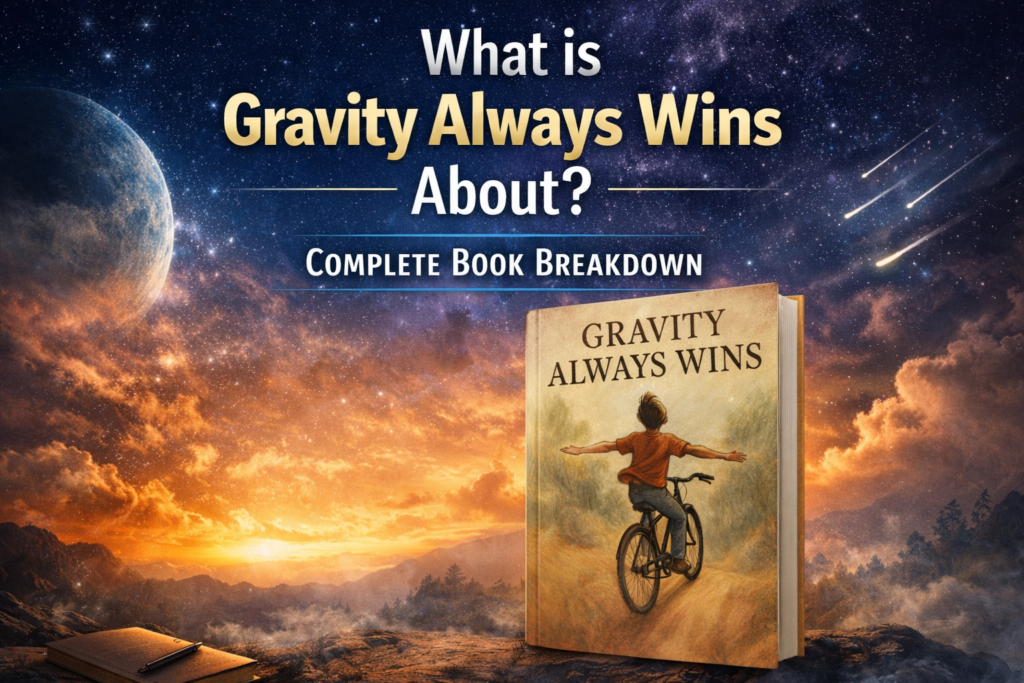
Life doesn’t always move in our favor. Some days feel heavier than others. Responsibilities pile up. Expectations grow louder. Quiet struggles sit in the background of everyday routines. It’s during these moments that we begin to feel the invisible force this book is named after, gravity. Gravity Always Wins explores what happens when life applies pressure, when emotions feel weighted, and when personal challenges seem impossible to escape. Instead of offering surface-level motivation, this book invites readers into a deeper reflection on resilience, self-awareness, and emotional strength. This isn’t a story about shortcuts to happiness. It’s about learning how to stand steady when life pulls downward. Let’s take a closer look at what this book truly represents. The Core Meaning Behind Gravity Always Wins At its heart, Gravity Always Wins uses gravity as a metaphor for life itself. Gravity Represents: Just like physical gravity, emotional gravity cannot be avoided. Everyone experiences it. Loss, uncertainty, fear, and pressure; these forces shape who we become. The Book’s Central Idea Is Powerful Yet Simple: You cannot escape gravity, but you can learn how to stand within it. Rather than encouraging readers to ignore pain or pretend everything is fine, the book acknowledges life’s heaviness and teaches acceptance, reflection, and resilience. A Story Rooted in Human Experience Unlike many personal development books that rely on bold promises and instant solutions, Gravity Always Wins takes a quieter approach. It Focuses On: The storytelling feels personal, reflective, and deeply human. Each chapter reads like a conversation; honest, thoughtful, and relatable. Readers are encouraged to slow down, examine their experiences, and recognize how challenges shape character. This book doesn’t rush growth. It respects the process. Who Should Read This Book? Gravity Always Wins Is Ideal for Readers Who: Whether you’re recovering from disappointment, reevaluating your direction, or simply seeking perspective, this book meets you where you are. It speaks especially to people who feel quietly exhausted by life’s demands, those who carry weight silently and keep moving forward anyway. What Makes Gravity Always Wins Different? Many books focus on achievement. This one focuses on awareness. Instead of telling readers how to “win” at life, it teaches them how to remain grounded when things fall apart. Here’s What Sets It Apart: It acknowledges that pain exists. That growth takes time. That healing isn’t linear. Rather than presenting perfection, it presents reality, and that’s what makes it powerful. Life Lessons Readers Take Away Readers Often Walk Away with: 1. A New Perspective on Failure Failure isn’t portrayed as defeat but as a teacher. The book reframes setbacks as moments of learning rather than endings. 2. Emotional Awareness Readers become more conscious of how emotions influence decisions, relationships, and self-worth. 3. Inner Strength The story emphasizes quiet resilience, the kind that develops when you keep going even when no one is watching. 4. Acceptance of Change Life constantly shifts. The book encourages embracing uncertainty instead of resisting it. 5. Calm Through Reflection By slowing down and reflecting, readers learn to respond to challenges rather than react emotionally. These lessons feel organic, not forced. They emerge naturally through storytelling. Why Emotional Gravity Matters Most people understand physical gravity. Few understand emotional gravity. Emotional Gravity Refers To The Invisible Weight Created By Experiences Such As: These forces affect mood, behavior, and confidence. Gravity Always Wins helps readers recognize these patterns and understand how emotional weight accumulates over time. Once awareness develops, change becomes possible. A Book That Encourages Reflection This book is not meant to be rushed. It invites readers to pause between chapters, think about personal experiences, and apply insights gradually. Rather than offering commands, it asks gentle questions: Through reflection, readers begin to see themselves more clearly. Frequently Asked Questions Is Gravity Always Wins a Self-Help Book? Not in the traditional sense. It blends storytelling with personal reflection, making it more of a life-perspective book than a typical self-help guide. Does The Book Focus On Motivation? It focuses more on understanding yourself than on hype-driven motivation. Is This Book Suitable for All Ages? Yes, especially adults seeking emotional growth and personal insight. Where Can I Buy Gravity Always Wins? You can purchase it directly from the official store here. Final Thoughts Life will always carry weight. Some days feel heavier than others, and challenges often arrive without warning, but Gravity Always Wins reminds us that strength isn’t about escaping those moments; it’s about learning to stand within them. Through honest reflection and meaningful storytelling, the book encourages readers to face emotional gravity with awareness, resilience, and quiet courage. If you’re searching for clarity, perspective, or simply a deeper understanding of your own journey, this story offers a powerful reminder that even when life pulls downward, growth is still possible, and sometimes, that realization is exactly what we need.

One of the most captivating elements of Gravity Always Wins is its rich Southern setting, which plays a crucial role in shaping the narrative. The book does not merely take place in the South; it is defined by the South, its culture, its traditions, and its people. As readers journey through the novel, they experience how place shapes the story, influencing character development, plot progression, and the overall themes of the book. This blog will dive into how the Southern backdrop in Gravity Always Wins is more than just a setting; it is an active character that drives the narrative forward and helps define its core themes. The Southern Setting in Gravity Always Wins The Southern setting in Gravity Always Wins is not just a physical place on a map but a deeply ingrained cultural and symbolic backdrop that shapes the narrative. From the first page, the novel immerses readers in a world steeped in Southern culture, a culture filled with history, struggle, resilience, and a strong sense of community. The Southern landscape in literature often serves as a character in its own right, and this book is no exception. The physical environment, from the expansive fields to the small-town dynamics, becomes a reflection of the internal struggles and transformations of the characters. How Place Shapes the Plot and Character Development The Southern setting in Gravity Always Wins is more than just a backdrop. It shapes the characters’ decisions and actions. The place influences the plot as the characters move through it, facing obstacles tied to their surroundings. Their struggles are deeply connected to the environment. The tension between what they desire and what society expects from them defines their journey. One of the most compelling aspects of the novel is how the Southern culture and identity of the characters influence their decision-making and personal growth. In a world that is defined by the pull of tradition and the weight of family expectations, the characters in Gravity Always Wins are constantly faced with a tension between their desires and the societal norms of the South. This tension creates a resilient force within the characters, one that propels them forward even as they grapple with the limitations their setting imposes on them. The Southern backdrop becomes a catalyst for transformation. The town’s history and culture guide the characters’ paths. Some try to escape, while others embrace their surroundings. Southern Landscape and Its Symbolic Role The Southern landscape plays a major symbolic role in Gravity Always Wins. It represents freedom, yet it also holds the characters back. The landscape symbolizes both opportunity and limitation. In many ways, the land reflects the characters’ struggles. The symbolism of the setting is crucial to understanding how place shapes the story. The characters’ relationship with their environment reflects their struggle with the past and their desire to break free from it. The town and its surrounding land are not merely locations but representations of the characters’ emotional and psychological landscapes. As the characters navigate their external world, they are also navigating their internal worlds, struggling with who they are versus who they are expected to be. Place as Character: The Southern Influence on Character Arcs In Gravity Always Wins, place plays a crucial role in character development, with the Southern setting often acting as a catalyst for transformation. The Southern culture and identity influence how the characters perceive themselves and interact with others. The impact of Southern culture is especially apparent in the way the characters grapple with their identities. The expectations placed upon them by their community can be both suffocating and motivating, pushing them to strive for more or to break free entirely. The setting becomes a mirror for the characters’ internal struggles, reflecting their desire for freedom and self-expression against the backdrop of a community that is defined by history and tradition. How Southern Place Drives Themes of Resilience and Fate A central theme in Gravity Always Wins is resilience. The characters must show strength as they face challenges. The Southern backdrop emphasizes this theme. The resilience of the characters mirrors the historical strength of the South. The town, its people, and its history all reflect the internal struggle for survival. As the characters battle external forces, they are also fighting to hold on to their identity. The characters often feel trapped by their environment, unable to escape the constraints of their Southern setting. This struggle between freedom and fate is central to the narrative, with the Southern environment acting as both a literal and metaphorical force that shapes the characters’ destinies. In many ways, the Southern setting dictates the characters’ choices, offering them little room for personal reinvention. Conclusion: The Power of Place in Gravity Always Wins In conclusion, the Southern setting in Gravity Always Wins is far more than a backdrop for the story; it is a defining element that shapes the narrative in profound ways. The novel showcases how place and setting are not passive elements but active components that influence the characters’ development, the themes of the story, and the symbolism that runs throughout. From the Southern culture that defines the characters’ identities to the Southern landscape that serves as a symbol of freedom and limitation, the setting is integral to understanding how place shapes the story in Gravity Always Wins. As you read, consider how the Southern backdrop in Gravity Always Wins not only defines the plot but also enriches the characters’ emotional journeys. The connection between setting and story in this novel serves as a testament to the power of place in literature, showing us that where a story takes place is just as important as what happens within it.
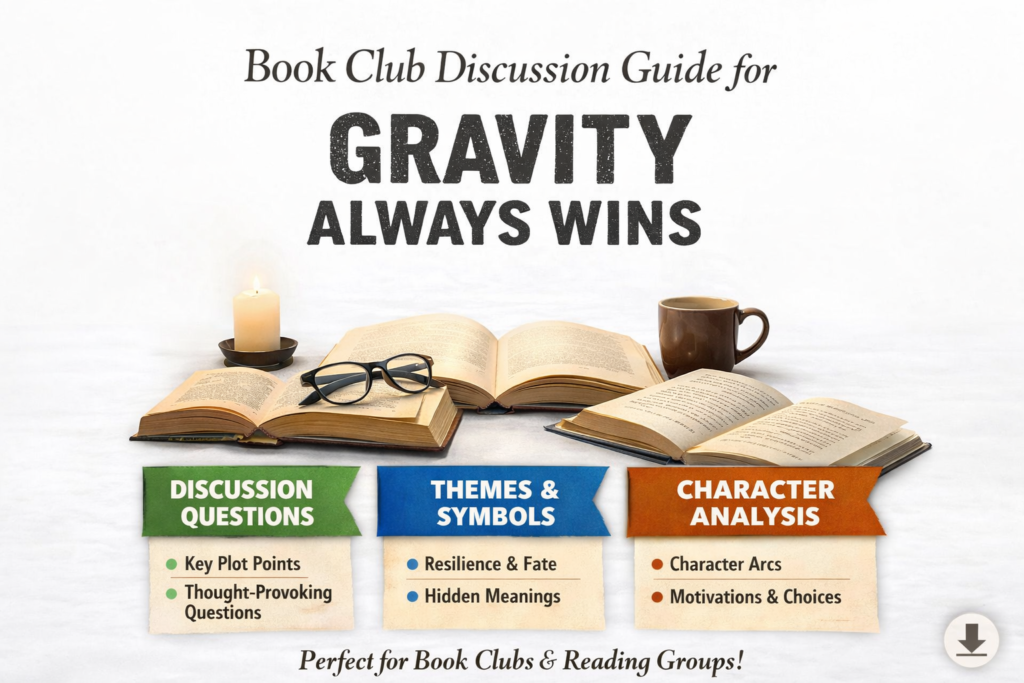
If you’re a fan of thought-provoking literature and looking for a book to dive into with your reading group, Gravity Always Wins might just be the perfect pick. This gripping novel not only offers a compelling storyline but also serves as a deep exploration of themes that resonate with a variety of readers. Whether you’re a seasoned book club leader or new to hosting discussions, this book club discussion guide will provide you with everything you need to spark meaningful conversations. In this post, we’ll explore the discussion questions for Gravity Always Wins, provide insights into the book club guide, and suggest a few reading group questions to get your discussion started. 1. Overview of Gravity Always Wins Before diving into the discussion questions for Gravity Always Wins, it’s important to understand the plot and the major themes the book explores. Written by an acclaimed author, this novel delves into complex character arcs, intense plot twists, and the emotional rollercoaster that many readers will relate to. As you read, pay close attention to the themes of resilience and struggle that unfold, as well as the symbolic meaning behind key moments. The title, Gravity Always Wins, speaks to the inescapable forces that control the fate of its characters. 2. Themes for Discussion In book club discussions, one of the best ways to engage your group is by exploring the major themes in the book. For Gravity Always Wins, here are a few that will help guide your conversation: Resilience and Hope: How do the characters display resilience throughout the book? Discuss how they overcome obstacles, and what that teaches us about perseverance. The Power of Choice: The characters in Gravity Always Wins make several pivotal decisions. Discuss how their choices impact the plot and how different choices could have led to different outcomes. Identity and Self-Discovery: Many of the characters go through significant transformations. What role does self-discovery play in their journeys? How does this theme resonate with the readers? 3. Discussion Questions for Gravity Always Wins To help your group dive deeper into the text, here are some book club questions for Gravity Always Wins. These questions are designed to stimulate conversation and encourage participants to think critically about the book. Basic Understanding Plot and Structure Themes and Meaning Characters and Relationships Reflection and Personal Connection 4. Semantic Themes to Explore in Your Discussion A key part of book club discussions is breaking down the symbolism and meanings behind the text. Here are a few semantic clusters that can help guide your group’s conversations: Resilience in Gravity Always Wins: Discuss the different ways the characters show resilience. How do their actions represent hope and the power of perseverance? Symbolism and Motifs: What do the recurring symbols in the book represent? How do they tie into the overall message of the story? Character Arcs: Discuss the evolution of the main characters and how their decisions shape the outcome of the plot. 5. Best Book Club Questions for Deep Conversations For deeper engagement, here are some more thought-provoking questions you can ask your group: 6. Character Analysis for Discussion One of the best ways to understand a story is through its characters. Here are a few discussion questions focused on character development: 7. Additional Resources for Book Clubs If you’re looking for more book club discussion guides or reading group questions, here are some helpful resources: Final Thoughts By now, you should have a solid foundation for leading a thoughtful and engaging book club discussion. Gravity Always Wins offers a rich array of themes, symbolism, and character development that will provide plenty of material for conversation. Whether you’re leading a reading group or joining one as a participant, these book club questions for Gravity Always Wins are sure to inspire insightful discussions that help you dig deeper into the heart of the story. So gather your book club, grab your copies of Gravity Always Wins, and get ready for a meaningful discussion about life, resilience, and the power of choice. Happy reading!

In the world of literature, few things are more captivating than author interviews that reveal the writing process behind an impactful novel. Every story has its origin, a spark that ignites the journey from the first idea to the final manuscript. Doug Dirickson, the author of Gravity Always Wins, offers an insightful look into his creative process and the personal experiences that influenced his storytelling. When an author shares the behind-the-scenes story of how their book came to life, it gives readers a unique connection to the text. Understanding where an author finds inspiration allows readers to connect more deeply with the material, making the narrative feel more personal and alive. This blog explores Doug Dirickson’s writing process, the inspiration behind Gravity Always Wins, and the role of writing techniques in crafting stories that resonate. What Is a Writer’s Process? Every writer’s journey is unique, but many share common practices when it comes to getting inspired and forming ideas. For Doug Dirickson, his writing journey began with reflection. Whether drawing from personal experiences or exploring themes of regret and redemption, every detail is meticulously crafted. Creative writing habits, like reading, reflecting, and observing the world around him, help Dirickson shape the emotional landscapes in his novels. For many authors, writing techniques are deeply personal and reflect their individual approach to storytelling. In Dirickson’s case, the emotional depth of Gravity Always Wins comes from his ability to tap into personal truths and blend them with universal struggles. This integration of legacy and regret in his work connects with readers on a human level, making the story more than just words on a page. Inspiration Behind Gravity Always Wins At the heart of any great story lies a moment of inspiration. For Doug Dirickson, the spark for Gravity Always Wins came from his own experiences and observations about the human condition. The themes of regret and legacy in the book reflect the personal challenges Dirickson faced while exploring his own emotions. When asked about the book’s inspiration, Dirickson noted that the story revolves around legacy and regret, the emotional burden of actions taken (and not taken). These themes are not merely plot points but serve as the foundational pillars of the novel. Behind the Scenes of Doug Dirickson’s Writing Journey Behind the scenes of every author’s journey lie hard work, dedication, and vulnerability. For Doug Dirickson, the process of writing is not just about creating a story but about excavating his emotions and confronting difficult truths. The creative journey is one of discovery, both for the author and the readers. Every draft, every revision, and every conversation with others helps Dirickson uncover the deeper layers of his work. In Gravity Always Wins, Dirickson takes readers on an emotional journey where legacy and regret are explored through the eyes of the protagonist. The author’s approach to regret in literature focuses not on the mistakes themselves but on the emotional consequences and how they shape the individual. Through this lens, the narrative becomes a mirror for readers, encouraging them to reflect on their own past decisions and personal legacy. Why Regret Is a Powerful Storytelling Tool One of the key themes in Dirickson’s writing is the exploration of regret. Books about regret often resonate because they tap into a universal emotion: the feeling of wishing you could change the past. Regret is an emotion that everyone has experienced, and its presence in a novel can create a deep connection between the reader and the characters. In storytelling, regret in literature is used as a tool to explore the consequences of past actions. It forces characters to face their mistakes, and in doing so, they often find the path to redemption. Lessons About Legacy and Regret from Fiction When we read books that explore legacy and regret, we often come away with valuable lessons about our own lives. Fiction allows us to explore difficult emotions in a safe space, encouraging reflection and self-awareness. The protagonist’s journey in the book illustrates the importance of confronting regret and how doing so can shape a person’s legacy. By coming to terms with the past, the character can move forward, offering readers a powerful lesson in personal growth and the importance of taking responsibility for one’s actions. These themes resonate because they mirror real-life struggles that everyone faces. Final Thoughts on Doug Dirickson’s Writing Process The writing process behind Gravity Always Wins blends personal experience with universal themes. Doug Dirickson’s ability to weave regret, legacy, and personal growth into a deeply emotional narrative speaks to his skill as a storyteller. Through his journey, Dirickson reminds us that we all carry the weight of our choices, but it’s how we face them that shapes who we become. Doug Dirickson has crafted a narrative that is not just about a boy on a bicycle but about the larger journey of life, the emotional highs and lows that define us as humans. By tapping into universal emotions like regret and legacy, Dirickson’s work connects deeply with readers, allowing them to reflect on their own experiences and growth.

Stories that stay with us long after the final page often do so because they explore deeply human emotions. Among these, legacy and regret stand out as themes that shape how characters understand themselves and their past. Literature has always examined how the choices we make echo through time, leaving behind emotional footprints that cannot be erased. In fiction, regret in literature is not simply about remorse; it is about reckoning. Characters are forced to confront who they were, who they are, and who they might have been. These reflections give stories emotional weight and lasting meaning. What Is Legacy in Literature? Many readers ask, what is legacy in literature, and the answer goes beyond inheritance or reputation. Legacy is the emotional and moral imprint a character leaves behind. It includes memories, unresolved conflicts, and the consequences of decisions made long before the story begins. In novels that focus on introspection, themes of legacy in books often emerge through reflection rather than action. Characters are shaped not only by what they accomplish but also by what they fail to repair. This makes legacy a deeply emotional concept rather than a purely historical one. Why Regret Is a Powerful Storytelling Tool One reason books about regret resonate so strongly is that regret is universal. Everyone has moments they wish they could revisit. Fiction allows readers to explore those emotions safely through someone else’s experience. In storytelling, why is regret a common theme in books? It becomes clear: regret forces honesty. Characters cannot move forward without first acknowledging the past. This emotional tension gives depth to narrative arcs and creates space for growth, understanding, or acceptance. How Regret Shapes Characters in Novels A key element of emotionally driven fiction is how regret shapes characters in novels. Regret slows characters down, forcing reflection rather than reaction. It becomes a lens through which they interpret the present. These moments often reveal unresolved past conflicts and hidden motivations. Through regret, readers see vulnerability, accountability, and the cost of avoidance. This is what makes reflective characters feel authentic and human. The Emotional Legacy Characters Carry Legacy is not always something a character chooses; often, it is something they inherit emotionally. Emotional legacy in fiction refers to the feelings, memories, and consequences passed down through relationships and time. Stories that explore identity and memory show how characters are shaped by what they remember and what they try to forget. This emotional inheritance often defines their sense of self more than external achievements ever could. Lessons About Regret From Fiction Readers searching for lessons about regret from fiction often discover that regret itself is not the enemy. Instead, it is how characters respond to regret that defines their growth. Fiction teaches that regret can either paralyze or transform. When characters confront it honestly, they gain clarity. When they avoid it, it lingers, shaping decisions in subtle but destructive ways. These lessons mirror real life, making such stories deeply relatable. Books That Explore Legacy and Loss Some of the most impactful stories are books that explore legacy and loss together. Loss gives urgency to legacy, forcing characters to consider what truly matters. In these narratives, reflection and memory become central forces. Characters revisit moments they once ignored, realizing too late how deeply those moments mattered. This interplay between loss and legacy creates emotional gravity that stays with the reader. What Gravity Always Wins Reveals About Legacy In Gravity Always Wins, the themes of legacy in novels are explored through reflection rather than spectacle. The story examines how past choices shape present identity and how unfinished emotional business continues to influence the future. The narrative emphasizes consequences of choices, showing that legacy is not built in moments of success but in moments of honesty and accountability. Written under the creative vision of Voodoo Donkey – Doug Dirickson, the novel Gravity Always Wins approaches legacy and regret with emotional realism and quiet introspection. The storytelling focuses less on spectacle and more on memory, reflection, and the lasting impact of personal choices, allowing readers to connect deeply with the human experience behind the narrative. Confronting Regret Through Storytelling One reason fiction remains powerful is its ability to show stories about confronting regret without offering simple solutions. Characters are not rewarded for bravery alone; they are tested by introspection. Through emotional reckoning, characters face truths they once avoided. This confrontation does not always lead to redemption, but it often leads to understanding, a quieter, more realistic form of resolution. Personal Legacy Versus Public Legacy A compelling distinction in reflective fiction is between personal legacy and public perception. Characters may be remembered one way by others while privately grappling with regret and unresolved emotions. This contrast highlights human imperfection, reminding readers that legacy is deeply personal. What matters most is not how one is remembered, but whether one finds peace with the past. Can Fiction Teach Lessons About Regret? Many readers wonder, can fiction teach lessons about regret? The answer lies in emotional honesty. Fiction does not instruct; it reveals. By watching characters’ struggles, readers reflect on their own choices. Stories rooted in legacy and regret offer quiet wisdom rather than moral instruction. They encourage reflection rather than judgment, making their lessons enduring and personal. The Role of Memory in Shaping Legacy Memory plays a crucial role in what books teach about legacy. Characters are often trapped or guided by what they remember. Memory shapes identity, influencing how characters understand their place in the world. Through generational impact, stories show how unresolved emotions ripple outward, affecting others in ways characters may never fully see. About the Author The novel was written by Doug Dirickson, whose storytelling style emphasizes emotional realism, reflection, and character-driven narratives. His approach allows themes like legacy and regret to unfold naturally, without forced resolution, making the story resonate on a deeply human level. Final Thoughts: Why Legacy and Regret Endure in Fiction Stories about legacy and regret endure because they reflect life itself. We all carry memories, unfinished conversations,