
One of the most captivating elements of Gravity Always Wins is its rich Southern setting, which plays a crucial role in shaping the narrative. The book does not merely take place in the South; it is defined by the South, its culture, its traditions, and its people. As readers journey through the novel, they experience how place shapes the story, influencing character development, plot progression, and the overall themes of the book. This blog will dive into how the Southern backdrop in Gravity Always Wins is more than just a setting; it is an active character that drives the narrative forward and helps define its core themes. The Southern Setting in Gravity Always Wins The Southern setting in Gravity Always Wins is not just a physical place on a map but a deeply ingrained cultural and symbolic backdrop that shapes the narrative. From the first page, the novel immerses readers in a world steeped in Southern culture, a culture filled with history, struggle, resilience, and a strong sense of community. The Southern landscape in literature often serves as a character in its own right, and this book is no exception. The physical environment, from the expansive fields to the small-town dynamics, becomes a reflection of the internal struggles and transformations of the characters. How Place Shapes the Plot and Character Development The Southern setting in Gravity Always Wins is more than just a backdrop. It shapes the characters’ decisions and actions. The place influences the plot as the characters move through it, facing obstacles tied to their surroundings. Their struggles are deeply connected to the environment. The tension between what they desire and what society expects from them defines their journey. One of the most compelling aspects of the novel is how the Southern culture and identity of the characters influence their decision-making and personal growth. In a world that is defined by the pull of tradition and the weight of family expectations, the characters in Gravity Always Wins are constantly faced with a tension between their desires and the societal norms of the South. This tension creates a resilient force within the characters, one that propels them forward even as they grapple with the limitations their setting imposes on them. The Southern backdrop becomes a catalyst for transformation. The town’s history and culture guide the characters’ paths. Some try to escape, while others embrace their surroundings. Southern Landscape and Its Symbolic Role The Southern landscape plays a major symbolic role in Gravity Always Wins. It represents freedom, yet it also holds the characters back. The landscape symbolizes both opportunity and limitation. In many ways, the land reflects the characters’ struggles. The symbolism of the setting is crucial to understanding how place shapes the story. The characters’ relationship with their environment reflects their struggle with the past and their desire to break free from it. The town and its surrounding land are not merely locations but representations of the characters’ emotional and psychological landscapes. As the characters navigate their external world, they are also navigating their internal worlds, struggling with who they are versus who they are expected to be. Place as Character: The Southern Influence on Character Arcs In Gravity Always Wins, place plays a crucial role in character development, with the Southern setting often acting as a catalyst for transformation. The Southern culture and identity influence how the characters perceive themselves and interact with others. The impact of Southern culture is especially apparent in the way the characters grapple with their identities. The expectations placed upon them by their community can be both suffocating and motivating, pushing them to strive for more or to break free entirely. The setting becomes a mirror for the characters’ internal struggles, reflecting their desire for freedom and self-expression against the backdrop of a community that is defined by history and tradition. How Southern Place Drives Themes of Resilience and Fate A central theme in Gravity Always Wins is resilience. The characters must show strength as they face challenges. The Southern backdrop emphasizes this theme. The resilience of the characters mirrors the historical strength of the South. The town, its people, and its history all reflect the internal struggle for survival. As the characters battle external forces, they are also fighting to hold on to their identity. The characters often feel trapped by their environment, unable to escape the constraints of their Southern setting. This struggle between freedom and fate is central to the narrative, with the Southern environment acting as both a literal and metaphorical force that shapes the characters’ destinies. In many ways, the Southern setting dictates the characters’ choices, offering them little room for personal reinvention. Conclusion: The Power of Place in Gravity Always Wins In conclusion, the Southern setting in Gravity Always Wins is far more than a backdrop for the story; it is a defining element that shapes the narrative in profound ways. The novel showcases how place and setting are not passive elements but active components that influence the characters’ development, the themes of the story, and the symbolism that runs throughout. From the Southern culture that defines the characters’ identities to the Southern landscape that serves as a symbol of freedom and limitation, the setting is integral to understanding how place shapes the story in Gravity Always Wins. As you read, consider how the Southern backdrop in Gravity Always Wins not only defines the plot but also enriches the characters’ emotional journeys. The connection between setting and story in this novel serves as a testament to the power of place in literature, showing us that where a story takes place is just as important as what happens within it.

If you’re a fan of thought-provoking literature and looking for a book to dive into with your reading group, Gravity Always Wins might just be the perfect pick. This gripping novel not only offers a compelling storyline but also serves as a deep exploration of themes that resonate with a variety of readers. Whether you’re a seasoned book club leader or new to hosting discussions, this book club discussion guide will provide you with everything you need to spark meaningful conversations. In this post, we’ll explore the discussion questions for Gravity Always Wins, provide insights into the book club guide, and suggest a few reading group questions to get your discussion started. 1. Overview of Gravity Always Wins Before diving into the discussion questions for Gravity Always Wins, it’s important to understand the plot and the major themes the book explores. Written by an acclaimed author, this novel delves into complex character arcs, intense plot twists, and the emotional rollercoaster that many readers will relate to. As you read, pay close attention to the themes of resilience and struggle that unfold, as well as the symbolic meaning behind key moments. The title, Gravity Always Wins, speaks to the inescapable forces that control the fate of its characters. 2. Themes for Discussion In book club discussions, one of the best ways to engage your group is by exploring the major themes in the book. For Gravity Always Wins, here are a few that will help guide your conversation: Resilience and Hope: How do the characters display resilience throughout the book? Discuss how they overcome obstacles, and what that teaches us about perseverance. The Power of Choice: The characters in Gravity Always Wins make several pivotal decisions. Discuss how their choices impact the plot and how different choices could have led to different outcomes. Identity and Self-Discovery: Many of the characters go through significant transformations. What role does self-discovery play in their journeys? How does this theme resonate with the readers? 3. Discussion Questions for Gravity Always Wins To help your group dive deeper into the text, here are some book club questions for Gravity Always Wins. These questions are designed to stimulate conversation and encourage participants to think critically about the book. Basic Understanding Plot and Structure Themes and Meaning Characters and Relationships Reflection and Personal Connection 4. Semantic Themes to Explore in Your Discussion A key part of book club discussions is breaking down the symbolism and meanings behind the text. Here are a few semantic clusters that can help guide your group’s conversations: Resilience in Gravity Always Wins: Discuss the different ways the characters show resilience. How do their actions represent hope and the power of perseverance? Symbolism and Motifs: What do the recurring symbols in the book represent? How do they tie into the overall message of the story? Character Arcs: Discuss the evolution of the main characters and how their decisions shape the outcome of the plot. 5. Best Book Club Questions for Deep Conversations For deeper engagement, here are some more thought-provoking questions you can ask your group: 6. Character Analysis for Discussion One of the best ways to understand a story is through its characters. Here are a few discussion questions focused on character development: 7. Additional Resources for Book Clubs If you’re looking for more book club discussion guides or reading group questions, here are some helpful resources: Final Thoughts By now, you should have a solid foundation for leading a thoughtful and engaging book club discussion. Gravity Always Wins offers a rich array of themes, symbolism, and character development that will provide plenty of material for conversation. Whether you’re leading a reading group or joining one as a participant, these book club questions for Gravity Always Wins are sure to inspire insightful discussions that help you dig deeper into the heart of the story. So gather your book club, grab your copies of Gravity Always Wins, and get ready for a meaningful discussion about life, resilience, and the power of choice. Happy reading!

In the world of literature, few things are more captivating than author interviews that reveal the writing process behind an impactful novel. Every story has its origin, a spark that ignites the journey from the first idea to the final manuscript. Doug Dirickson, the author of Gravity Always Wins, offers an insightful look into his creative process and the personal experiences that influenced his storytelling. When an author shares the behind-the-scenes story of how their book came to life, it gives readers a unique connection to the text. Understanding where an author finds inspiration allows readers to connect more deeply with the material, making the narrative feel more personal and alive. This blog explores Doug Dirickson’s writing process, the inspiration behind Gravity Always Wins, and the role of writing techniques in crafting stories that resonate. What Is a Writer’s Process? Every writer’s journey is unique, but many share common practices when it comes to getting inspired and forming ideas. For Doug Dirickson, his writing journey began with reflection. Whether drawing from personal experiences or exploring themes of regret and redemption, every detail is meticulously crafted. Creative writing habits, like reading, reflecting, and observing the world around him, help Dirickson shape the emotional landscapes in his novels. For many authors, writing techniques are deeply personal and reflect their individual approach to storytelling. In Dirickson’s case, the emotional depth of Gravity Always Wins comes from his ability to tap into personal truths and blend them with universal struggles. This integration of legacy and regret in his work connects with readers on a human level, making the story more than just words on a page. Inspiration Behind Gravity Always Wins At the heart of any great story lies a moment of inspiration. For Doug Dirickson, the spark for Gravity Always Wins came from his own experiences and observations about the human condition. The themes of regret and legacy in the book reflect the personal challenges Dirickson faced while exploring his own emotions. When asked about the book’s inspiration, Dirickson noted that the story revolves around legacy and regret, the emotional burden of actions taken (and not taken). These themes are not merely plot points but serve as the foundational pillars of the novel. Behind the Scenes of Doug Dirickson’s Writing Journey Behind the scenes of every author’s journey lie hard work, dedication, and vulnerability. For Doug Dirickson, the process of writing is not just about creating a story but about excavating his emotions and confronting difficult truths. The creative journey is one of discovery, both for the author and the readers. Every draft, every revision, and every conversation with others helps Dirickson uncover the deeper layers of his work. In Gravity Always Wins, Dirickson takes readers on an emotional journey where legacy and regret are explored through the eyes of the protagonist. The author’s approach to regret in literature focuses not on the mistakes themselves but on the emotional consequences and how they shape the individual. Through this lens, the narrative becomes a mirror for readers, encouraging them to reflect on their own past decisions and personal legacy. Why Regret Is a Powerful Storytelling Tool One of the key themes in Dirickson’s writing is the exploration of regret. Books about regret often resonate because they tap into a universal emotion: the feeling of wishing you could change the past. Regret is an emotion that everyone has experienced, and its presence in a novel can create a deep connection between the reader and the characters. In storytelling, regret in literature is used as a tool to explore the consequences of past actions. It forces characters to face their mistakes, and in doing so, they often find the path to redemption. Lessons About Legacy and Regret from Fiction When we read books that explore legacy and regret, we often come away with valuable lessons about our own lives. Fiction allows us to explore difficult emotions in a safe space, encouraging reflection and self-awareness. The protagonist’s journey in the book illustrates the importance of confronting regret and how doing so can shape a person’s legacy. By coming to terms with the past, the character can move forward, offering readers a powerful lesson in personal growth and the importance of taking responsibility for one’s actions. These themes resonate because they mirror real-life struggles that everyone faces. Final Thoughts on Doug Dirickson’s Writing Process The writing process behind Gravity Always Wins blends personal experience with universal themes. Doug Dirickson’s ability to weave regret, legacy, and personal growth into a deeply emotional narrative speaks to his skill as a storyteller. Through his journey, Dirickson reminds us that we all carry the weight of our choices, but it’s how we face them that shapes who we become. Doug Dirickson has crafted a narrative that is not just about a boy on a bicycle but about the larger journey of life, the emotional highs and lows that define us as humans. By tapping into universal emotions like regret and legacy, Dirickson’s work connects deeply with readers, allowing them to reflect on their own experiences and growth.

Stories that stay with us long after the final page often do so because they explore deeply human emotions. Among these, legacy and regret stand out as themes that shape how characters understand themselves and their past. Literature has always examined how the choices we make echo through time, leaving behind emotional footprints that cannot be erased. In fiction, regret in literature is not simply about remorse; it is about reckoning. Characters are forced to confront who they were, who they are, and who they might have been. These reflections give stories emotional weight and lasting meaning. What Is Legacy in Literature? Many readers ask, what is legacy in literature, and the answer goes beyond inheritance or reputation. Legacy is the emotional and moral imprint a character leaves behind. It includes memories, unresolved conflicts, and the consequences of decisions made long before the story begins. In novels that focus on introspection, themes of legacy in books often emerge through reflection rather than action. Characters are shaped not only by what they accomplish but also by what they fail to repair. This makes legacy a deeply emotional concept rather than a purely historical one. Why Regret Is a Powerful Storytelling Tool One reason books about regret resonate so strongly is that regret is universal. Everyone has moments they wish they could revisit. Fiction allows readers to explore those emotions safely through someone else’s experience. In storytelling, why is regret a common theme in books? It becomes clear: regret forces honesty. Characters cannot move forward without first acknowledging the past. This emotional tension gives depth to narrative arcs and creates space for growth, understanding, or acceptance. How Regret Shapes Characters in Novels A key element of emotionally driven fiction is how regret shapes characters in novels. Regret slows characters down, forcing reflection rather than reaction. It becomes a lens through which they interpret the present. These moments often reveal unresolved past conflicts and hidden motivations. Through regret, readers see vulnerability, accountability, and the cost of avoidance. This is what makes reflective characters feel authentic and human. The Emotional Legacy Characters Carry Legacy is not always something a character chooses; often, it is something they inherit emotionally. Emotional legacy in fiction refers to the feelings, memories, and consequences passed down through relationships and time. Stories that explore identity and memory show how characters are shaped by what they remember and what they try to forget. This emotional inheritance often defines their sense of self more than external achievements ever could. Lessons About Regret From Fiction Readers searching for lessons about regret from fiction often discover that regret itself is not the enemy. Instead, it is how characters respond to regret that defines their growth. Fiction teaches that regret can either paralyze or transform. When characters confront it honestly, they gain clarity. When they avoid it, it lingers, shaping decisions in subtle but destructive ways. These lessons mirror real life, making such stories deeply relatable. Books That Explore Legacy and Loss Some of the most impactful stories are books that explore legacy and loss together. Loss gives urgency to legacy, forcing characters to consider what truly matters. In these narratives, reflection and memory become central forces. Characters revisit moments they once ignored, realizing too late how deeply those moments mattered. This interplay between loss and legacy creates emotional gravity that stays with the reader. What Gravity Always Wins Reveals About Legacy In Gravity Always Wins, the themes of legacy in novels are explored through reflection rather than spectacle. The story examines how past choices shape present identity and how unfinished emotional business continues to influence the future. The narrative emphasizes consequences of choices, showing that legacy is not built in moments of success but in moments of honesty and accountability. Written under the creative vision of Voodoo Donkey – Doug Dirickson, the novel Gravity Always Wins approaches legacy and regret with emotional realism and quiet introspection. The storytelling focuses less on spectacle and more on memory, reflection, and the lasting impact of personal choices, allowing readers to connect deeply with the human experience behind the narrative. Confronting Regret Through Storytelling One reason fiction remains powerful is its ability to show stories about confronting regret without offering simple solutions. Characters are not rewarded for bravery alone; they are tested by introspection. Through emotional reckoning, characters face truths they once avoided. This confrontation does not always lead to redemption, but it often leads to understanding, a quieter, more realistic form of resolution. Personal Legacy Versus Public Legacy A compelling distinction in reflective fiction is between personal legacy and public perception. Characters may be remembered one way by others while privately grappling with regret and unresolved emotions. This contrast highlights human imperfection, reminding readers that legacy is deeply personal. What matters most is not how one is remembered, but whether one finds peace with the past. Can Fiction Teach Lessons About Regret? Many readers wonder, can fiction teach lessons about regret? The answer lies in emotional honesty. Fiction does not instruct; it reveals. By watching characters’ struggles, readers reflect on their own choices. Stories rooted in legacy and regret offer quiet wisdom rather than moral instruction. They encourage reflection rather than judgment, making their lessons enduring and personal. The Role of Memory in Shaping Legacy Memory plays a crucial role in what books teach about legacy. Characters are often trapped or guided by what they remember. Memory shapes identity, influencing how characters understand their place in the world. Through generational impact, stories show how unresolved emotions ripple outward, affecting others in ways characters may never fully see. About the Author The novel was written by Doug Dirickson, whose storytelling style emphasizes emotional realism, reflection, and character-driven narratives. His approach allows themes like legacy and regret to unfold naturally, without forced resolution, making the story resonate on a deeply human level. Final Thoughts: Why Legacy and Regret Endure in Fiction Stories about legacy and regret endure because they reflect life itself. We all carry memories, unfinished conversations,

Storytelling has always been more than words alone. Long before printed novels, stories were passed down through images, symbols, and visual cues. Today, visual storytelling in books plays a crucial role in shaping how readers absorb emotion, meaning, and narrative depth. When illustrations are thoughtfully integrated, they transform reading into a more immersive and emotionally resonant experience. In illustrated novels, visuals do more than decorate pages; they guide interpretation, enhance mood, and deepen reader engagement. This balance between text and imagery creates a powerful narrative rhythm that words alone often cannot achieve. Why Illustrations Matter in Modern Literature Many readers ask, why are illustrations important in books, especially in emotionally driven stories? Illustrations help bridge imagination and reality, giving readers a visual anchor while still leaving room for interpretation. The role of illustrations in books becomes especially important when stories explore memory, identity, or emotional struggle. Images can communicate silence, tension, or reflection in ways text sometimes cannot, allowing readers to feel rather than simply understand. Storytelling Through Illustrations: More Than Decoration True storytelling through illustrations occurs when visuals actively support the narrative rather than passively accompany it. Illustrations can foreshadow events, emphasize emotional beats, or highlight symbolism that deepens the reader’s understanding of the story. This approach turns images into narrative tools. Through posture, lighting, perspective, and composition, illustrations convey meaning that complements the written word, creating a layered storytelling experience. How Illustrations Enhance Storytelling at an Emotional Level A common question among readers is how illustrations enhance storytelling emotionally. The answer lies in how visuals activate empathy. Facial expressions, body language, and environmental details help readers connect with characters on a human level. Illustrations often emphasize moments of emotional reflection and redemption, helping readers connect more deeply with a character’s internal journey. Visual storytelling allows emotions like regret, healing, and acceptance to be felt rather than explained, strengthening the reader’s emotional connection to the story. This emotional depth is also explored in our related post on redemption and personal growth in Gravity Always Wins, where the narrative focuses on healing, truth, and transformation. Visual Storytelling and Reader Immersion One of the greatest strengths of illustrated fiction is reader immersion. When text and imagery work together, readers become fully absorbed in the narrative world. The visual storytelling in books helps maintain narrative flow, guiding the reader’s emotional pace. Images act as visual breaths, allowing readers to absorb complex moments without overwhelming them. Book Illustration Storytelling, and Narrative Flow Strong book illustration storytelling supports the narrative structure rather than interrupting it. Well-placed illustrations appear at moments where reflection or emotional emphasis is needed. This approach reinforces how illustrations support narrative, ensuring that visuals enhance continuity rather than distract from the story. When done correctly, illustrations feel like a natural extension of the text. Artistic Interpretation and Symbolism Through Art Illustrations often offer artistic interpretation rather than literal representation. This allows artists to communicate themes and emotions through metaphor and symbolism. Symbolism through art gives readers additional layers of meaning to explore. Visual motifs, such as light, distance, or posture, subtly reinforce themes of growth, memory, or resilience without explicit explanation. How Visuals Improve Storytelling in Books Readers often wonder how visuals improve storytelling in books beyond aesthetics. Visuals guide emotional interpretation, reduce cognitive load, and help readers visualize abstract ideas. In emotionally rich novels, images help convey tone and atmosphere, making the reading experience smoother and more intuitive. This strengthens the emotional bond between the reader and the story. Illustrated Novels and Reader Engagement Illustrated novels’ storytelling impact is particularly strong when it comes to engagement. Visual elements encourage readers to slow down, reflect, and absorb meaning. This heightened reader engagement keeps readers connected to the narrative, increasing emotional investment and overall satisfaction with the reading experience. How Illustrations Help Tell a Story Without Words Another common question is how illustrations help tell a story independently. Visuals can communicate mood, tension, or character psychology without relying on dialogue or exposition. This ability allows stories to breathe, offering moments of quiet understanding where words are unnecessary. Importance of Illustrations in Novels Focused on Emotion The importance of illustrations in novels becomes especially evident in stories centered on emotional realism. Visuals help ground abstract emotions in tangible imagery, making complex feelings accessible. This is particularly effective in reflective or character-driven narratives where internal conflict plays a central role. How Visuals Affect Reader Experience Readers frequently ask how visuals affect reader experience. The presence of illustrations reduces fatigue, enhances comprehension, and creates a more balanced reading rhythm. Visual cues help readers navigate emotional intensity, ensuring the story remains engaging without becoming overwhelming. Illustrations as Narrative Enhancement Tools At their best, illustrations act as narrative enhancement tools. They reinforce tone, guide emotional response, and clarify subtle shifts in mood or perspective. This synergy between text and image strengthens storytelling cohesion, making the narrative feel complete and intentional. Gravity Always Wins and Visual Storytelling In the novel Gravity Always Wins, illustrations play a meaningful role in shaping readers’ interpretation and emotional connection. The visuals complement the story’s reflective tone, enhancing themes of memory, identity, and growth. The artwork does not overpower the narrative; instead, it quietly supports it, allowing readers to connect more deeply with the story’s emotional core. Connecting Visual Storytelling to Life Lessons Stories that resonate often share common threads with life lessons from books. Illustrations help reinforce these lessons by visually grounding emotional truths, making them easier to internalize and remember. Through imagery, readers not only understand the story; they feel it. Final Thoughts: Why Illustrations Elevate Storytelling Illustrations are not merely artistic additions; they are storytelling partners. When used thoughtfully, they enhance emotional depth, strengthen narrative flow, and elevate reader engagement. Understanding how illustrations improve storytelling becomes easy when visuals and text work in harmony. Together, they create an experience that is richer, more immersive, and more emotionally impactful than words alone. In modern literature, illustrations continue to prove that sometimes the most powerful moments in a story are the

Readers across the world turn to stories not just for entertainment, but for reflection, guidance, and growth. Life lessons from books often leave a lasting impression because they allow us to experience emotions, consequences, and decisions through someone else’s journey. Fiction has a unique way of teaching truth without preaching, making readers feel rather than instructing them on what to think. Stories grounded in realism and emotional depth tend to resonate the most. Lessons learned from fiction are powerful because they mirror real human struggles, loss, resilience, identity, and redemption. That is why novels that explore personal hardship often become timeless and meaningful to readers of all ages. Why Meaningful Novels Shape Personal Growth Books that endure are those that offer insight beyond their pages. Books that teach life lessons encourage self-reflection, helping readers evaluate their own choices, values, and emotional responses. Unlike surface-level entertainment, meaningful novels stay with the reader long after the final chapter. Through layered storytelling and emotional authenticity, fiction becomes a tool for empathy. How books influence personal growth is directly tied to their ability to humanize struggle and show that growth is rarely linear or easy. Lesson 1: Resilience Is Built Through Adversity One of the strongest life lessons from novels is that resilience is not something we are born with; it is forged through hardship. Characters who endure pain, setbacks, and disappointment teach readers that strength often comes from survival, not victory. This lesson reinforces the idea that overcoming adversity is a gradual process. The ability to keep moving forward, even when circumstances remain unchanged, reflects a deeper form of courage that resonates with readers navigating their own struggles. Lesson 2: Accepting Consequences Is Part of Growth A recurring theme in fiction books with strong life lessons is accountability. Growth begins when characters stop running from the outcomes of their decisions and begin facing them honestly. This reflects real life, where maturity is defined by responsibility rather than perfection. Consequences of choices are unavoidable, but acknowledging them opens the door to healing and self-awareness. Lesson 3: Emotional Pain Is Not a Weakness Many readers search for meaningful book lessons that validate emotional vulnerability. Stories that portray emotional pain as part of the human condition help dismantle the stigma around weakness. Pain is not something to hide from; it is something to understand. Emotional depth in novels allows readers to see that acknowledging pain is often the first step toward healing and transformation. Lesson 4: Growth Often Comes From Facing the Past Avoidance may feel like protection, but fiction consistently shows that unresolved issues have a way of resurfacing. Lessons every reader can learn from a book often center around the necessity of confronting the past. By revisiting unresolved emotions, characters begin the process of closure. This theme highlights the importance of self-reflection in achieving long-term emotional balance and personal clarity. Lesson 5: Identity Is Shaped by Experience, Not Labels A powerful takeaway from lessons learned from fiction is that identity is dynamic and evolves. Characters who struggle with who they are remind readers that identity is shaped by experience, failure, and growth, not by labels imposed by others. This lesson speaks directly to readers navigating change, showing that becoming someone new does not erase the past but builds upon it. Lesson 6: Healing Takes Time and Patience Quick resolutions are rare in meaningful storytelling. Books that teach resilience and life emphasize that healing is not immediate and cannot be rushed. This lesson mirrors reality, where emotional recovery unfolds slowly. Healing through storytelling reassures readers that patience with oneself is not a flaw but a necessity. Lesson 7: Strength Can Exist Without Triumph Modern storytelling often challenges traditional success narratives. What makes a book meaningful today is its willingness to portray strength without glorifying victory. Characters who endure without winning teach readers that dignity, perseverance, and honesty can be forms of strength just as powerful as success. Lesson 8: Relationships Reveal Our True Selves Many lives emerge through relationships. Interactions with others expose character flaws, fears, and values in ways solitude cannot. This reinforces how human struggle and hope are deeply interconnected. Relationships, even strained ones, often become catalysts for growth and self-discovery. Lesson 9: Reflection Leads to Wisdom Readers often ask what lessons we can learn from books, and the answer frequently lies in reflection. Stories that encourage introspection help readers recognize patterns in behavior and emotion. This lesson highlights why personal growth through fiction remains relevant. Stories provide a safe space to explore difficult truths without judgment. Lesson 10: Stories Help Us Make Sense of Life At their core, novels exist to help us understand the human experience. Can fiction teach real-life lessons? Absolutely, because stories organize chaos into meaning. Through narrative, readers find comfort, clarity, and sometimes answers they didn’t know they were searching for. Why Readers Connect With These Lessons The most impactful stories are those that feel honest. Why are life lessons in books important? Because they remind readers they are not alone in their struggles. Authentic storytelling validates pain while offering hope. This balance is what makes certain novels unforgettable and deeply influential. A Story That Leaves a Lasting Impact Readers searching for books that teach life lessons often gravitate toward stories grounded in realism and emotional truth. One such novel is Gravity Always Wins by Doug Dirickson, available through the official shop here: This story stands out because it does not offer easy answers; it offers understanding. Final Thoughts: Why These Lessons Matter The enduring power of fiction lies in its ability to reflect life to us. Lessons from coming-of-age novels and emotionally grounded stories help readers grow, reflect, and heal. Whether it’s resilience, accountability, or self-acceptance, the lessons readers carry forward often shape how they navigate their own lives. That is why meaningful novels continue to matter, not because they escape reality, but because they help us face it.
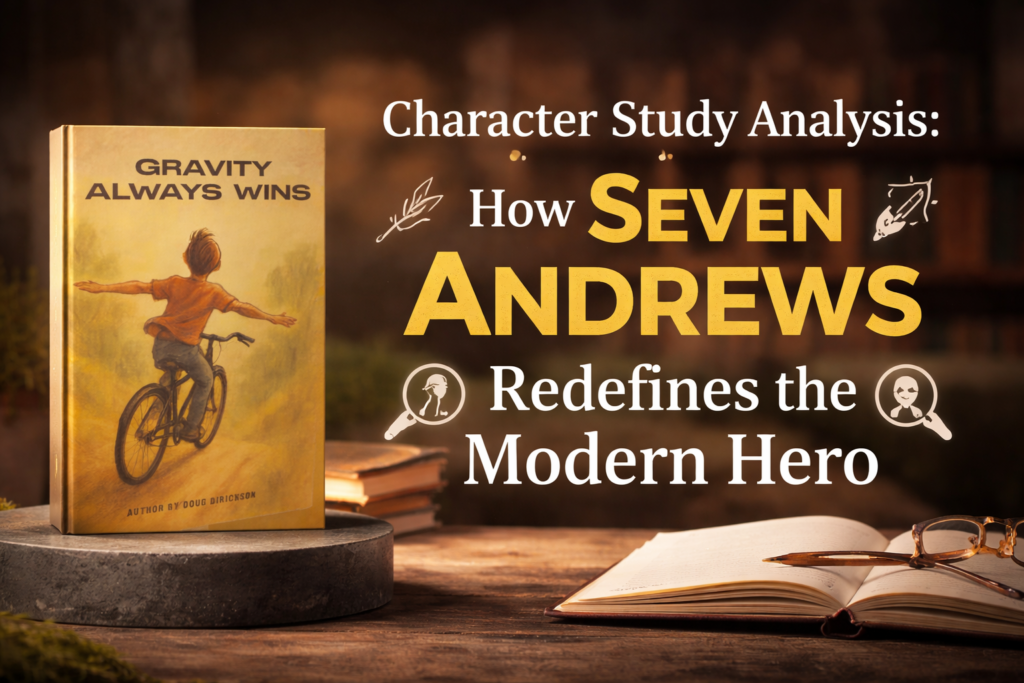
A character study analysis is one of the most powerful tools in literary criticism. It allows readers to move beyond surface-level storytelling and explore the psychological depth, emotional conflict, and transformation journey of a character. In modern literature, readers increasingly search for stories that reflect real human struggle rather than idealized perfection. In Gravity Always Wins, the character of Seven Andrews offers a compelling case for a character study of a hero who breaks away from traditional heroic molds. Instead of flawless strength or moral certainty, Seven embodies vulnerability, regret, and resilience, making him a perfect example of modern hero character analysis. This blog explores how Seven Andrews redefines heroism and why his journey resonates deeply with contemporary readers. What Defines a Hero in Literature Today? When readers ask what defines a hero in literature, the answer has evolved significantly. Classic heroes were often depicted as warriors, saviors, or noble figures driven by destiny. Today, literary heroes are more complex, shaped by internal struggles rather than external victories. A Modern Hero Is Often Defined by: Seven Andrews fits squarely into this evolution. His heroism is not measured by triumph, but by survival, accountability, and emotional endurance. This shift aligns with current trends in literary character study, where readers value authenticity over grandeur. Seven Andrews as a Protagonist: A Deep Character Development Analysis At the heart of Gravity Always Wins lies a profound protagonist character analysis. Seven Andrews is not introduced as a man seeking redemption; instead, redemption finds him when he least expects it. His return home is both a physical journey and a symbolic confrontation with the past. This character development analysis reveals a man shaped by: Seven’s missing leg becomes a powerful metaphor within the narrative arc, representing the lasting consequences of past choices. This physical limitation reinforces the idea that heroism does not come from invincibility but from perseverance despite permanent scars. Psychological Character Analysis: Inside Seven Andrews’ Mind A strong psychological character analysis examines motivation, fear, and emotional tension. Seven Andrews is driven by a quiet yet relentless need to reconcile who he was with who he has become. His Internal Struggles Include: These elements create a layered internal conflict that fuels the story’s momentum. Readers searching for character analysis examples often connect more deeply with characters like Seven because his struggles feel authentic and human. How Seven Andrews Redefines Heroism Traditional hero archetypes often rely on dominance, victory, or moral superiority. Seven Andrews redefines this model by presenting symbolic heroism rooted in endurance rather than conquest. His Heroism Is Expressed Through: This makes Seven a powerful subject for hero archetype analysis and a standout example in discussions about what makes a character a hero in modern fiction. The Narrative Arc and Transformation Journey A key component of any character study essay example is understanding how the character changes over time. Seven’s transformation journey is subtle yet impactful. Rather Than A Dramatic Reinvention, His Growth Occurs Through: This slow evolution mirrors real human growth, reinforcing why Gravity Always Wins appeals to readers interested in literary character study rather than fast-paced spectacle. Character Motivation Analysis: Why Seven Keeps Moving Forward Understanding character motivation analysis is essential to appreciating Seven Andrews’ role. His motivation is not driven by ambition or glory, but by the need to confront unresolved emotional weight. Key Motivators Include: This motivation aligns with readers who search for how to analyze a character through emotional realism rather than external plot devices. Themes That Make Seven Andrews a Modern Literary Icon Several Core Themes Elevate Seven Andrews As A Subject Of Hero Character Analysis: These themes connect directly with trending discussions in character study analysis and modern book reviews, making this content highly relevant for book-focused websites like Voodoo-Donkey. Why Readers Connect With Seven Andrews Readers searching for why character development is important often find their answer in characters like Seven Andrews. His emotional realism creates a mirror for readers’ own struggles. Seven Resonates Because: This emotional authenticity strengthens his position as a compelling figure in modern hero character analysis. Common Questions Readers Ask (SEO-Optimized) What Is A Character Study? A character study examines a character’s personality, motivation, growth, and role within a story to uncover deeper meaning. How Do You Analyze A Character Like Seven Andrews? By examining internal conflict, narrative arc, psychological depth, and symbolic meaning within the story. What Makes Seven Andrews Different From Traditional Heroes? Unlike classic heroes, Seven’s strength lies in emotional endurance and accountability rather than conquest or dominance. Final Thoughts: Why Seven Andrews Matters in Literary Analysis Seven Andrews stands as a defining example of how hero character analysis has evolved. His story in Gravity Always Wins demonstrates that heroism does not require perfection; it requires persistence, honesty, and the courage to face oneself. For readers, writers, and literary enthusiasts interested in character study analysis, Seven Andrews offers a powerful reminder: sometimes the greatest battles are fought within, and sometimes simply continuing forward is the bravest act of all.

The title Gravity Always Wins might seem straightforward at first, but as you delve deeper into the story, you’ll uncover its powerful and symbolic significance. It’s a title that speaks to the forces beyond our control, the weight of reality, and the inevitable pull that life has on all of us. But what exactly does it mean, and how does it tie into the themes of the book? Let’s explore. The Power of Gravity: A Universal Force Gravity is one of the most fundamental forces in the universe. It keeps us grounded and pulls us back to Earth when we try to escape its grasp. Similarly, in life, forces like circumstances, emotions, or challenges always come our way, and we can’t avoid them. Gravity Always Wins suggests that no matter how hard we fight against the inevitable, we will always return to what is real, important, and inescapable. In the context of the book, the protagonist’s journey revolves around being pulled back to reality. Whether they battle external forces or struggle with their own inner turmoil, the title highlights that some things in life are simply impossible to defy, no matter how hard we try. The Inner Struggles of the Protagonist The protagonist of Gravity Always Wins is someone who has always attempted to escape their troubles. Whether it’s a haunting past, a mistake they can’t undo, or a challenge they can’t conquer, they have spent much of their life trying to avoid the pull of their own gravity. But as the story unfolds, they come to realize that this struggle is futile. Life’s gravity always wins. Just as gravity never fails to pull everything towards Earth, the protagonist’s unresolved issues, inner conflicts, and external struggles always seem to bring them back. It’s an exploration of how we, too, cannot outrun our emotions, our past, or the fundamental aspects of life that shape us. Want to explore more about this theme? Why Gravity Always Wins is a Must-Read for 2026 dives deeper into why this novel resonates with readers today. Voodoo Donkey and the Surreal Element There’s also a deeper layer in Gravity Always Wins, especially when we introduce the concept of Voodoo Donkey. A bizarre, almost whimsical name, Voodoo Donkey represents the chaotic, unpredictable elements in life. This character or entity may be seen as a force that plays a pivotal role in pushing the protagonist into situations that feel completely out of their control, yet always forces them back into the orbit of their own reality. The Voodoo Donkey could be a symbol of the wild unpredictability of life itself, forces that cannot be explained but always seem to guide us back to where we are supposed to be. The Inevitable Outcome In the end, Gravity Always Wins is not just about the physical force of gravity; it’s about understanding that, like gravity, there are powerful forces in life that we cannot escape. The protagonist’s realization is a profound one: that no matter how hard we struggle, we must ultimately face the consequences of our actions, the weight of our choices, and the gravity of our reality. It’s a story about coming to terms with what we cannot control and learning to accept that some things in life are simply unavoidable. Life has its own gravitational pull, and no matter how far we try to run, it will always pull us back. Conclusion Gravity Always Wins is a title that encapsulates the essence of human existence. It speaks to the inevitable truths of life: our struggles, our inner battles, and the realities we must confront. With the addition of Voodoo Donkey as an element of chaos and unpredictability, the story weaves a narrative that is both surreal and deeply philosophical. So, as you immerse yourself in this thrilling tale, remember: gravity, in all its forms, always wins.

In 2026, a year that promises to be full of powerful literary moments, one book that should be at the top of any reader’s list is Gravity Always Wins by Doug Dirickson. This Southern mystery novel not only captivates with its suspenseful plot but also intricately weaves in themes of redemption, personal growth, and the complexities of the human condition. Dirickson masterfully blends mystery, emotion, and realism, creating a reading experience that sticks with you long after you turn the final page. This post explores how Doug Dirickson accomplishes this delicate balance and why Gravity Always Wins is a must-read in 2026. Mystery with a Southern Twist At its core, Gravity Always Wins is a compelling mystery that keeps readers on the edge of their seats. The protagonist, Seven Andrews, is a character readers can’t help but root for. The book opens with a seemingly ordinary setting: a quiet town, a gray, rainy day, and a man who seems to be stuck in time, caught in a web of regret. However, as the story unfolds, Dirickson introduces a labyrinth of secrets, twists, and dark truths that lurk beneath the surface of the seemingly idyllic life that Seven has lived. What sets this mystery apart from others in the genre is Dirickson’s ability to make the reader feel every moment of tension and suspense. The small-town setting is rich with atmosphere, and the mysteries unfold organically, not through forced exposition. Every chapter reveals just enough to keep the reader hooked, but never so much that it spoils the mystery. Doug Dirickson understands that suspense is about pacing and timing. He doesn’t rush the plot, allowing each piece of the puzzle to slowly come together in a way that feels both satisfying and surprising. The novel also features a unique setting, combining elements of Southern Gothic and traditional mystery. The heat, the humidity, and the faint smell of decay in the air all add to the atmosphere, while Dirickson’s sharp descriptions transport readers straight into the heart of this world. It’s this authenticity in setting that brings the mystery to life. The isolation of the town, the flawed characters, and the secrets everyone is hiding all add depth to the story’s central mystery. Emotional Depth that Resonates What really elevates Gravity Always Wins beyond being a mere mystery is its emotional depth. Doug Dirickson doesn’t just focus on solving a crime; he dives deep into the emotional lives of his characters, particularly Seven Andrews. Seven is a one-legged man whose past is full of mistakes, regrets, and unresolved trauma. His journey is one of emotional healing and self-discovery, which Dirickson explores with sensitivity and care. The emotional stakes in Gravity Always Wins are not just tied to the mystery of what happened in the past but also to the characters’ internal battles. The book’s emotional power comes from its raw portrayal of Seven’s struggle to find redemption. It’s not just about solving the case; it’s about reconciling with oneself and understanding what truly matters. Dirickson explores themes of guilt, forgiveness, and the weight of personal history. Seven’s emotional journey is incredibly relatable, as it touches on universal struggles: the desire to make amends, the fear of facing one’s own failures, and the yearning for redemption. This is where Gravity Always Wins stands out in a crowded genre. It doesn’t just rely on twists and turns to keep readers invested; it builds a deep emotional connection with the protagonist. Readers aren’t just trying to figure out “who did it”; they’re invested in Seven’s personal growth and healing. His character arc is as gripping as the mystery itself, and it’s this combination of compelling character development and intriguing plot that makes the book so powerful. Realism that Grounds the Story While many mysteries can sometimes feel over-the-top or overly dramatic, Doug Dirickson ensures that Gravity Always Wins remains grounded in realism. The characters feel like real people, and the situations they face are tangible and relatable. The gritty realism of the setting and the complex, often flawed, nature of the characters make this novel stand out as something more than just a typical mystery. The challenges and emotional struggles that Seven faces are relatable on a human level, and the novel’s events unfold in a way that feels natural and believable. This realism is especially evident in the way Dirickson portrays the Southern community at the heart of the novel. The small-town dynamics, the generational tensions, and the subtle undercurrents of racism and classism all add layers of realism to the story. The town itself feels like a living, breathing character, full of secrets, lies, and unspoken histories. Dirickson doesn’t shy away from depicting the darker aspects of the community, and this authenticity adds depth to the story. The way Dirickson captures the complexities of everyday life also speaks to the novel’s realism. Seven’s struggles are not just about solving a crime but also about surviving in a world that doesn’t always make sense. The characters’ interactions, their decisions, and their flaws are all portrayed with nuance and care, making them feel like real people living in a real world. This approach brings a sense of authenticity to the story that makes it feel fresh and impactful. Why Gravity Always Wins Is a Must-Read in 2026 As we move into 2026, Gravity Always Wins is a book that should be on every reader’s radar. Its seamless blend of mystery, emotion, and realism makes it an unforgettable experience. Doug Dirickson’s ability to balance these elements is a testament to his skill as a storyteller. The novel isn’t just about solving a mystery; it’s about exploring the human condition, understanding the weight of personal history, and finding redemption in unexpected places. What makes Gravity Always Wins even more compelling is its ability to resonate with readers long after the final page is turned. It’s a book that sticks with you, not just because of its twists and turns, but because of the emotional journey it

As we move into 2026, literature continues to evolve, focusing more on stories that challenge perceptions, engage emotions, and reflect the complexities of human experience. Gravity Always Wins by Doug Dirickson is one such book that should top your reading list in 2026. This Southern mystery dives into unforgettable characters, explores deep themes of legacy and redemption, and offers a compelling narrative that resonates long after you’ve turned the last page. Here’s why Gravity Always Wins is more than just a book; it’s a must-read in the coming year. 1. A Story of Redemption and Personal Growth One of the most powerful aspects of Gravity Always Wins is its exploration of personal growth and redemption. The protagonist, a one-legged man named Seven Andrews, takes readers on a journey of self-discovery and resilience. His struggle to overcome his past and seek redemption is both heart-wrenching and inspiring. In 2026, many readers are looking for stories about healing, personal transformation, and finding hope in dark times. Gravity Always Wins offers that in abundance. The book’s emotional depth connects with readers on a personal level. Seven’s quest for redemption isn’t just about overcoming physical challenges; it’s about confronting his emotional wounds and seeking peace. This universal theme makes Gravity Always Wins timely and relevant for anyone grappling with their own struggles in the modern world. 2. Rich, Southern Setting that Adds to the Story’s Authenticity Another standout feature of Gravity Always Wins is its rich Southern setting. The book transports readers to Georgia and Mexico, creating a vivid backdrop that complements the story’s themes. The setting isn’t just a place it becomes a character itself, influencing the mood, decisions, and behaviors of the characters. In a world where setting often takes a backseat to plot, Dirickson’s decision to give Georgia and Mexico such prominence is refreshing. The cultural richness, the nuances of Southern life, and the sharp contrasts between the two settings add layers of complexity to the narrative. In 2026, readers want immersive worlds that feel authentic and grounded in reality. Gravity Always Wins delivers this through its evocative descriptions and attention to detail. 3. A Unique Blend of Literary Genres Gravity Always Wins isn’t just a mystery novel; it’s a unique blend of Southern literature, psychological drama, and crime fiction. Dirickson masterfully weaves together these genres to create a gripping story that keeps readers on edge. The mystery unfolds in layers, revealing hidden truths and secrets that keep you guessing until the very end. This genre-bending style appeals to a wide audience in 2026, as readers are seeking diverse storytelling that challenges traditional genre boundaries. Whether you’re a fan of mysteries, literary fiction, or character-driven drama, Gravity Always Wins offers something for everyone. 4. Stunning Courtroom Illustrations Enhance the Reading Experience What sets Gravity Always Wins apart from other books is its unique integration of courtroom-style illustrations throughout the novel. The book features 40 illustrations that accompany key moments in the story, making it a visual experience as well as a literary one. These illustrations deepen the emotional impact of certain scenes, adding a layer of artistic expression that enhances the overall reading experience. In 2026, more readers are turning to books that offer something beyond just words. Gravity Always Wins blends art and narrative in a way that is innovative and immersive. The illustrations bring the story to life, making it not just a novel but an experience. 5. Relevance to Modern Themes of Identity, Legacy, and Truth In today’s world, themes of identity, legacy, and truth are more relevant than ever. Gravity Always Wins explores these themes deeply, particularly through the character of Seven Andrews, whose journey is as much about discovering who he is as it is about confronting his past. The book’s reflection on how the past shapes the present is a theme that resonates with contemporary readers. In 2026, people are seeking stories that reflect the complexities of their own lives, stories that ask difficult questions about identity, legacy, and truth. Gravity Always Wins offers a fresh perspective on these issues, making it a must-read for those looking for thought-provoking, deeply human stories. 6. Old Content with New Insights For those who have read previous reviews and content about Gravity Always Wins, the book continues to evolve in relevance. A perfect example of this is the article what gravity always wins teaches us about redemption and truth, which dives deeper into the themes of redemption and personal growth that are explored in the novel. This previous article complements the book’s current significance, providing valuable insights into how Seven’s character aligns with contemporary societal struggles. 7. A Timeless Story with Contemporary Appeal What makes Gravity Always Wins a must-read in 2026 is its timeless themes, combined with its contemporary appeal. The story’s exploration of human emotions, resilience, and redemption is universally relatable. While set in a specific time and place, the book’s themes transcend time, offering insights into the human experience that remain relevant across generations. In 2026, readers are looking for books that are both timeless and timely, stories that reflect current societal issues while also offering universal truths. Gravity Always Wins delivers on both fronts, making it a powerful read for modern audiences. Conclusion Gravity Always Wins is more than just a mystery or a Southern novel; it is a deep, introspective journey into the human experience. With its compelling narrative, rich character development, unique illustrations, and timely themes, it is a must-read in 2026 for anyone interested in stories that explore redemption, identity, and legacy. Whether you’re a fan of literary fiction, crime mysteries, or just great storytelling, Gravity Always Wins is a book that will stay with you long after you’ve turned the last page. For anyone looking for a book that speaks to the soul and provides both intellectual and emotional engagement, Gravity Always Wins should be on your must-read list in 2026.